
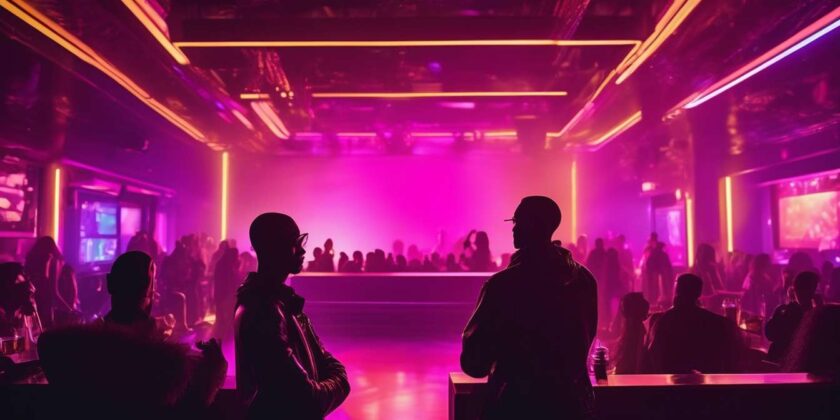
Understanding the club as a living organism, we listen for shifts in its heartbeat — the music, the lighting, the conversations at the bar — and we track how audiences redraw the map of desire and belonging.
“A club is a mirror,” someone once told us, and that image anchors our inquiry: if the mirror changes, what does it reveal about those who stand before it?
We pursue audience research not as detached observers but as collaborators with patrons and performers.
- We map preferences, anxieties, and aspirations that reconfigure what an exotic dance club can be.
- We use surveys, interviews, and ethnographies to uncover evolving expectations around safety, authenticity, entertainment, and community.
By tracing these patterns, we translate ephemeral moods into actionable insights.
- Managers receive guidance to adapt venue policies and programming responsibly.
- Dancers gain information that helps shape performance practices and workplace conditions.
- Policymakers can better understand how regulations impact the social and cultural functions of venues.
Our goal is to help venues adapt while preserving the social and cultural functions that keep them vibrant and relevant.
Club Ecosystem Mapping
We map the club ecosystem by identifying key actors, physical and digital spaces, and the relationships that shape interactions.
- We chart who shows up (patrons, performers, staff) and where they gather (bars, stages, VIP areas, online channels).
- We map how information and norms flow between barbacks, DJs, hosts, dancers, regulars, newcomers, and online followers.
We note entrance points, internal spaces, and virtual channels where community forms.
- Entrance points, VIP areas, staging, and changing rooms.
- Virtual channels such as social media, ticketing platforms, and performer chats.
We pay attention to audience motivations as a lens, without duplicating later topic depth.
- Identify what draws people to specific nights or atmospheres (music, crowd, theme, safety).
- Use motivations to explain attendance patterns and congregation points.
We document explicit and tacit rules that protect safety and wellbeing.
- Staffing patterns and visible security practices.
- Trust-building rituals and unwritten norms that guide behavior.
We catalog authenticity signals that communicate a club’s values.
- Décor choices, performer introductions, and community language.
- Other markers that signal who belongs and what is valued.
We map overlaps and friction to identify intervention points.
- Where digital promotion meets in-person experience.
- Where staff roles blur or responsibilities are unclear.
- Where interventions can strengthen belonging, consent, and sustainable relationships across the ecosystem.
Audience Motivations
We examine why people choose specific nights, venues, and performers—what pulls them in, what keeps them coming back, and how those motives shape crowd dynamics and space use.
We find audience motivations cluster around connection, routine, and curated novelty.
- Some attend for shared rituals—a favorite DJ night or a familiar performer—because those rituals make them feel seen and part of a steady social circle.
- Others seek fresh experiences, preferring venues that signal creative curation and authenticity through marketing, performer presentation, and staff interaction.
We also see practical drivers: convenience, price, and predictable crowd size.
- These factors help people plan social time with friends and reduce the risk of a poor evening.
- Groups prioritize spaces where norms are explicit and peer behavior reinforces inclusion, which reduces friction when newcomers arrive.
Understanding these motivations helps clubs design nights that foster belonging while balancing variety and stability.
- Clear programming and consistent rituals increase retention.
- Satisfying both routine-seekers and novelty-seekers encourages regulars to champion the venue within their networks.
Safety and Wellbeing
We prioritize measures that keep patrons and performers protected, addressing physical safety, emotional wellbeing, and the venue practices that shape both.
We listen to audience motivations to understand why people come:
- connection
- escape
- celebration
That understanding informs clear policies:
- trained staff
- visible, respectful security
- enforced consent norms
- private reporting channels
The goal is that everyone feels steady and included.
We create routines that support safety and wellbeing without making the room feel clinical.
- warm front-of-house interactions
- accessible information about boundaries
- sober spaces
- post-shift check-ins for performers
We train teams on:
- de-escalation
- trauma-informed responses
- equitable enforcement so rules apply fairly to all
We also measure outcomes to evaluate effectiveness:
- incident logs
- anonymous feedback
- retention of performers and regulars
Those metrics show whether our choices match audience motivations and maintain a welcoming environment.
By treating safety and wellbeing as a shared responsibility, we build trust and a stronger sense of belonging for everyone who walks through our doors.
Authenticity Signals
We look for clear cues that a club values genuine experiences over manufactured spectacle.
- Examples include performer-led music choices, unedited social media, and consistent staff behavior.
We notice authenticity signals in how performers and staff interact with guests.
- Warm greetings, predictable rules, and transparent pricing create a sense of belonging.
- These signals meet audience motivations for respectful connection.
We value venues where marketing matches the in-room experience.
- When online posts feel candid and gigs reflect those posts, trust grows.
We pay attention to practical signs that authenticity, safety, and wellbeing are aligned.
- Visible staff presence.
- Clear complaint processes.
- Accessible support resources.
By privileging honesty over hype, clubs invite repeat visits from people seeking community, not just novelty.
We encourage operators to surface these signals consistently so guests can quickly assess whether a space will honor their need for inclusion, dignity, and reliable care.
Entertainment Preferences
We prioritize varied, high-quality performances that match our mood and the club’s stated vibe.
- Consistent entertainment choices keep guests engaged and coming back.
- We design shows that reflect audience motivations — whether celebration, connection, or escape.
- We rotate formats so everyone finds something familiar yet fresh.
We want performances that signal care.
- Clear staging and respectful pacing.
- Artists who read the room and adapt in real time.
- These details communicate professionalism and attention to guests’ experience.
We center safety and wellbeing in programming decisions.
- Schedule breaks and manage run-times to prevent fatigue.
- Train staff on inclusion and crowd management so patrons feel secure.
- That attention boosts trust and encourages repeat visits.
We look for authenticity and avoid alienating gimmicks.
- Authenticity signals include performer storytelling, transparent marketing, and real-time interaction.
- Genuine expression fosters belonging for regulars and newcomers alike.
- We favor craft and consistency over ephemeral tricks.
Ultimately, our entertainment preferences balance artistic risk with predictable comfort.
- The goal is to serve both individual desires and a collective sense of welcome.
Community Dynamics
We build and nurture a mix of regulars, newcomers, staff, and performers so the club feels like a connected, respectful community rather than just a place to watch a show.
We learn audience motivations directly.
- Why people return.
- What routines comfort them.
- Which events spark curiosity.We shape gatherings to meet those needs.
We prioritize safety and wellbeing.
- Set clear behavioral norms.
- Train staff to intervene compassionately.
- Offer quiet spaces for anyone needing a break.
We look for authenticity signals that show members feel seen.
- Remembering names.
- Honoring performer boundaries.
- Sharing small rituals that reinforce trust.
We invite feedback and celebrate milestones.
- Rotate programming so newcomers find entry points while regulars keep roots.
- Balance warmth with professional standards so belonging doesn’t erode consent or safety.
We communicate transparently about expectations and respond quickly to concerns.
Result: a resilient social fabric where people can relax, connect, and return—knowing the club values their dignity as much as their presence.
Policy Impacts
Many local laws and club policies shape who feels welcome, how performers work, and the kinds of programming we can offer.
We see policy as a practical framework that either nurtures belonging or creates distance. When regulations acknowledge audience motivations — whether seeking connection, entertainment, or affirmation — we can design spaces that respect both guests and performers.
Clear guidelines about consent, labor practices, and transparency strengthen safety and wellbeing.
- They let staff focus on hospitality rather than constant enforcement.
- They reduce confusion about expectations for both performers and patrons.
Policies influence authenticity signals such as dress codes, music choices, and performer autonomy.
- These signals communicate whether a club values genuine expression or a manufactured experience.
- We advocate for rules that preserve creative freedom while preventing exploitation.
That balance helps everyone feel seen and secure. By involving performers, patrons, and community stakeholders in policy development, we build standards that:
- Reflect shared values.
- Reduce harm.
- Foster an inclusive culture where people can belong without compromising dignity or safety.
Translating Insights into Practice
We’ll turn the research into concrete actions by prioritizing policies, programming, and training that reflect what performers and patrons actually need.
Start by mapping audience motivations.
Why people come, what they seek, and how spaces make them feel welcome—use that map to shape schedules, promotions, and interactions that foster inclusion.
Embed safety and wellbeing into every decision.
Examples:
- Clear complaint paths
- Trauma-informed training
- Predictable staffing
- Spaces designed for comfort
These measures ensure everyone knows they belong.
Calibrate authenticity signals so performers can present genuine selves while patrons recognize respectful boundaries.
Actions:
- Transparent communication about house norms
- Affirmation of performer autonomy
- Clear articulation of community values
Pilot changes in a few venues, collect feedback, iterate quickly, and share outcomes across teams.
Measure success with clear, actionable metrics.
- Repeat attendance
- Performer retention
- Incident reduction
- Voiced sense of belonging
By translating insights into measurable practice, we’ll create clubs that respect people, reflect needs, and sustain trust.
How do revenue-sharing and tipping structures typically work for performers at exotic dance clubs, and how might these vary by region?
Overview — how income is typically split at exotic dance clubs
Main income categories
- House fees: fixed daily or shift fees paid by performers to the club for stage time.
- Stage tips: money thrown or handed to dancers while they perform on stage.
- Private dances/booth rentals: one-on-one dances paid by customers; may be time-based or tip-based.
- Other sources: drink buys, lap dance upgrades, stage bonuses, and merchandise or photos if allowed.
Common revenue models
-
House-fee model
- Dancers pay a set fee to the club for a shift; they keep all tips and private-dance earnings.
- Pros: dancer controls earnings beyond the fee.
- Cons: income risk sits with dancer if customer volume is low.
-
Commission model
- Club takes a percentage of stage earnings and/or private-dance revenue (common splits: 20–50%, varies widely).
- Pros: less upfront cash burden for dancers; club has incentive to promote.
- Cons: reduces dancer take-home pay; transparency about counts and payments is important.
-
Booth/room rental
- Dancers or DJs rent a booth/room for a set period and keep all earnings from that space.
- Pros: predictable cost; full control over earnings in the rented space.
- Cons: fixed cost risk; competition for good shifts/rooms.
-
Hybrid models
- Combinations of house fees, commissions, and room rental depending on shift, location, or performer status (e.g., new vs. established).
How tips are handled
- Direct tips: most commonly, tips given to dancers on stage or in private go directly to the performer.
- Pooling: some venues require tip pooling (e.g., splitting stage tips among performers, DJs, security, or staff). Policies vary and should be disclosed.
- Tip-out systems: dancers may be required to tip out DJs, bartenders, or house staff a percentage of their tips or a fixed amount.
- Cash vs. digital tips: digital tip systems (apps, cards) may pass through club payment processors and sometimes incur fees or delays — confirm who receives the net amount.
Private dances and room policies
- Clubs may charge a commission on private dances, require a portion be left in the room, or allow dancers to keep all private-dance cash if they rent the room.
- Timekeeping, house security, and entry fees for private rooms differ by venue; ensure rules are clear before working a shift.
Regional and legal differences
- Local norms: in some regions clubs charge higher commissions but provide stable clientele/staffing; in others dancers keep a larger share but bear more risk.
- Regulation and labor law: classification of dancers (independent contractor vs. employee) affects rights to minimum wage, tip handling, and tax obligations. Laws differ by jurisdiction; check local regulations.
- Licensing and venue requirements: municipal regulations can affect permitted activities, hours, and fee structures.
Fairness and transparency — what to look for
- Written policies: clear, written rules on house fees, commissions, tip pooling, and tip-out rates.
- Receipts and tracking: transparent reporting of stage earnings, private-dance commissions, and any deductions.
- Advance disclosure: require clubs to disclose any booth fees, DJ or security charges, and how digital tip processing is handled.
- Dispute resolution: a clear process for challenging incorrect charges or payouts.
Practical tips for performers
- Ask before you work: get the exact split, fee schedule, and tip rules in writing.
- Compare models: weigh house-fee vs. commission vs. rental options by estimating typical earnings for that venue and shift.
- Track your cash flow: keep records of shifts, fees paid, and tips received for budgeting and taxes.
- Know local laws: consult local resources or legal counsel if classification, tip pooling, or wage issues arise.
- Negotiate where possible: experienced dancers sometimes negotiate better splits, reserved stages, or guaranteed minimums.
If you want, I can:
- Provide a short checklist to use when evaluating a new club.
- Draft a sample questions list to ask a manager/owner before taking a shift.
- Summarize region-specific rules if you tell me the state/country.
What legal rights and employment classifications do exotic dancers usually have, and how can performers access legal or labor support?
Summary of common legal classifications and rights for exotic dancers
Independent contractor vs. employee
- Independent contractor: Many clubs classify dancers this way. As contractors you typically control your schedule and pay is often paid per shift, per tip, or per gig. Independent contractors generally do not receive minimum wage, overtime, unemployment insurance, or employer-paid benefits.
- Employee: In some venues or jurisdictions, dancers are treated as employees. Employees may be entitled to minimum wage, overtime, payroll-tax withholding, workers’ compensation, unemployment benefits, and other worker protections.
- Classification varies by jurisdiction and by facts. Courts and labor agencies look at factors such as the level of employer control, who sets pay rates, whether the dancer provides their own tools (e.g., costumes), freedom to accept other work, and how integral the work is to the business.
Rights and protections that may apply
- Wage and hour protections: If classified as employees, dancers can be entitled to minimum wage, overtime, and reimbursement for required expenses in some places.
- Tip protections: Laws about tips and tip pooling differ; some jurisdictions protect tip income from employer appropriation.
- Anti-discrimination laws: Dancers have protections against discrimination and harassment under general employment and civil-rights laws (sex, race, disability, etc.).
- Workers’ compensation: Employees injured on the job may be eligible for benefits; independent contractors usually are not.
- Health and safety: Employers may have obligations under local occupational-safety rules.
- Right to organize: Workers generally have the right to join or form unions or worker organizations; this can be true for employees and sometimes for contractors depending on local labor law.
How performers can get legal or labor support
- Document pay and working conditions
- Keep detailed records of shifts, hours worked, show fees, tips (estimates if exact sums aren’t recorded), house fees, fines, and any required purchases or payments to the venue.
- Save contracts, messages, photos of posted rules or schedule boards, and receipts for business expenses.
- Seek legal advice
- Employment attorneys: Consult a lawyer experienced in employment or labor law; many offer initial consultations and some take cases on contingency.
- Legal aid clinics / pro bono services: Community legal clinics and nonprofit legal organizations sometimes handle wage-and-hour and employment claims.
- Contact government agencies
- Labor departments / wage-and-hour divisions: File complaints for unpaid wages, misclassification, tip theft, or wage violations.
- Equal employment opportunity agencies: File discrimination or harassment complaints with the relevant state or national agency.
- Join or form worker organizations
- Unions: Some dancers have unionized or affiliated with existing unions for collective bargaining and legal support.
- Worker centers / mutual aid groups: Community organizations can provide guidance, resources, and collective advocacy.
- Use community resources
- Reach out to sex-worker rights groups, performing-arts advocacy groups, or local nonprofits that support low-income or precarious workers. These groups often have referrals to lawyers, counselors, or emergency funds.
- Support each other in claims
- Coordinated complaints or class/collective actions can be more effective. Pooling documentation, witness statements, and organizing together strengthens claims and reduces individual risk.
Practical steps to prepare
- Create a consistent recordkeeping system (digital logs, cloud backups).
- Request written contracts or written explanations of pay arrangements when possible.
- Save communications (texts, emails, social media messages) about rules, disciplinary actions, or pay.
- Take notes of incidents (dates, times, witnesses) for harassment or discrimination.
- Ask other performers about their experiences; corroborating statements help legal claims.
Next actions / resources
- If you tell me your country and state/province (or major city), I can point to relevant government agencies, sample complaint forms, or organizations that provide direct legal help in your area.
- If you want, I can draft a sample pay log template, a checklist of documents to collect, or a short script for requesting written pay terms from a venue.
How do exotic dance clubs manage relationships with local law enforcement and respond to policing practices that affect patrons and staff?
We recognize how clubs navigate policing: we build communication channels with local law enforcement, clarify ordinances, and negotiate operational practices to protect staff and patrons.
We train staff on rights and de-escalation, document incidents, and work with legal aid or advocacy groups when enforcement feels discriminatory.
We also foster community networks to amplify concerns, pursue policy reform, and create safer spaces that ensure dignity and belonging for everyone who comes through our doors.
Conclusion
You’ll use this research to map how clubs function and why audiences come, so you can design safer, more authentic experiences that match shifting tastes.
Prioritize wellbeing, clear authenticity signals, and diverse entertainment while staying mindful of policy effects and community dynamics.
Translate insights into concrete changes—staff training, layout tweaks, programming shifts—to cultivate trust and sustainability.
Doing so helps clubs stay relevant, respectful, and resilient as expectations continue to evolve.