
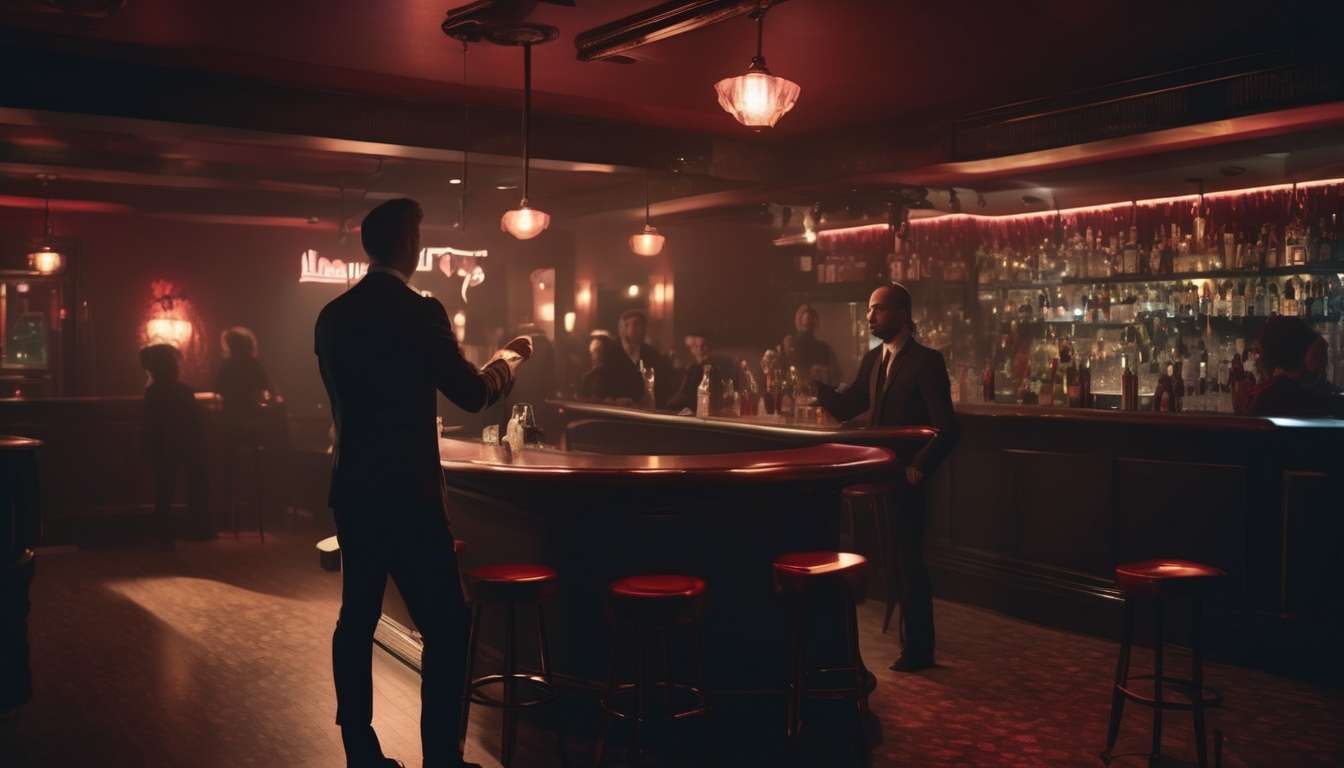
Common assumption vs. reality
Largely, we assume that dance venues can simply obtain a license and then focus on music and crowd experience. That belief masks complex operational obstacles.
Local variation in conditions
We have learned—often the hard way—that licensing conditions vary wildly by locality, dictating hours, sound levels, and even the number of security staff required. These rules reshape programming and staffing budgets.
Conflicting priorities
We juggle conflicting priorities: keeping artists and audiences satisfied while complying with incremental restrictions that were designed with other premises in mind. This tension forces trade-offs in event design and operations.
Seemingly minor stipulations have major effects
We find that seemingly minor stipulations force major shifts in:
- floor layouts
- entry procedures
- bar operations
These changes erode spontaneity and revenue.
Enforcement uncertainty
As operators, promoters, and staff, we confront an array of enforcement practices and ambiguous rules that create uncertainty for bookings and long-term planning.
Purpose of the article
In this article, we unpack how myth-driven expectations about licensing differ from lived realities, and we outline pragmatic responses to navigate a regulatory landscape that often undercuts our ability to host vibrant, sustainable dance events.
Licensing myths vs reality
Let’s cut through common misconceptions about alcohol licensing and show what the rules actually require.
Key point: Many people assume permits only control drink sales. In reality, alcohol licensing ties directly to operational realities such as hours, capacity, mandatory safety measures, and crowd management.
Why this matters:
- It replaces folklore with facts, which helps protect patrons and the venue.
- Clarity reduces surprises and helps budget for staffing and compliance.
Licenses impose specific, enforceable conditions:
- Hours and capacity limits — when you can operate and how many people you can host.
- Noise limits and neighborhood impact controls — not just optional guidance.
- Incident reporting and recordkeeping — clear procedures and documentation are required.
- Documented security staffing levels and plans — regulators expect written staffing plans and evidence of training.
You cannot improvise these obligations:
- Regulators expect documented plans, training records, and incident logs.
- Failure to comply can lead to enforcement actions, fines, or license restrictions.
Community and best practice benefits:
- Compliance connects you to a community of venues that share best practices and mutual support.
- Accepting specific conditions empowers you to design safer, more welcoming nights.
- Knowing exact requirements helps make your venue a reliable part of the neighborhood.
Bottom line: Treat licensing conditions as operational requirements—not optional recommendations—to protect patrons, staff, and your business reputation.
Local condition differences
Local authorities set different conditions, so we need to review each council’s rules to know exact hours, capacity limits, and required safety measures.
We’ve learned that alcohol licensing often varies block by block, and that means our venues must adapt policies to stay compliant and keep our community safe.
We’ll compare permits side by side, noting clauses about:
- crowding and capacity limits
- temporary event notices
- any imposed measures tied to local premises
We want everyone to feel included and protected, so we’ll standardize internal checklists that map each council condition to our operating procedures.
Those checklists will cover:
- mandatory signage
- record-keeping requirements
- staff briefings on differing expectations (for example, noise limits in nearby residential areas and minimum security staffing during events)
By sharing templates and training across our team, we’ll reduce confusion, ensure consistent guest experiences, and show local regulators we’re responsible partners.
This approach helps us maintain trust with neighbors while preserving the vibrant social space we all value.
Hours and sound limits
Define permitted opening hours and maximum sound levels for each venue.
Map out start and finish times, curfews, and any restricted late-night licences so staff on shift know exactly when alcohol licensing rules apply and when amplified music must be reduced.
Set precise dB targets and measurement points to meet noise limits.
- Specify measurement locations (e.g., property boundary, nearest residential façade).
- State averaging times and measurement methods (LAeq, LAmax, weighting).
- Record acceptable tolerances and how often measurements must be taken.
Provide simple monitoring checklists so teams can demonstrate compliance during inspections or complaints.
- Include pre-opening sound checks, hourly monitoring, and end-of-night verification.
- Require fields for readings, observer name, time, and any corrective actions taken.
- Keep checklists stored centrally and accessible for audits.
Create a shared calendar of permitted variations (bank holidays, special events).
- List approved date/time extensions and any additional conditions.
- Ensure calendar visibility to all shifts and to neighbouring stakeholders where appropriate.
Ensure inclusive communication so every team member feels responsible and informed.
- Train floor staff, bartenders, security, and managers on hours and noise expectations.
- Use briefing notes, posters in staff areas, and quick-reference cards.
Explain escalation steps if noise limits are exceeded, and include contacts for local council officers.
- Reduce volume immediately and confirm compliance with measurements.
- Dispatch floor manager to inform neighbours if requested.
- Log incident, time, actions taken, and follow-up measures.
- If unable to regain compliance, contact the nominated council officer (provide phone/email) and senior management.
Agree on clear boundaries and practical routines to protect licences and neighbours’ peace.
- Establish routine audits and review meetings to adjust procedures as needed.
- Make responsibilities and consequences explicit so the community can continue to gather safely.
Security and staffing mandates
Purpose and scope
We’ll define required staffing levels, roles, and vetting standards to ensure venues are safe, compliant, and able to respond quickly to incidents. This creates a consistent baseline for operations across events and venues, protecting patrons, staff, and licenses.
Staffing and scheduling expectations
We set clear expectations around alcohol licensing conditions and match security staffing to crowd size and peak service times so everyone feels protected.
- Staffing ratios tied to expected attendance and activity peaks.
- Shift coordination to avoid fatigue during late sets while maintaining coverage.
- Respect for neighborhood impacts, including scheduling that considers noise limits and licensing compliance.
Roles and required competencies
We outline roles — door supervisors, floor marshals, licensed bar managers — and require training in de-escalation, first aid, and licensing law to build trust among staff and patrons.
- Door supervisors: access control, ID checks, conflict prevention.
- Floor marshals: crowd flow, escalation point, liaison to security.
- Licensed bar managers: responsible alcohol service, compliance with licensing conditions.
- Training requirements: de-escalation, emergency first aid, responsible alcohol service, and relevant licensing law.
Vetting, briefings, and accountability
We require background checks and regular briefings so teams feel supported and accountable.
- Credential checks and periodic re-vetting.
- Regular pre-shift briefings covering roles, risks, and any special conditions.
- Clear escalation paths and assigned points of contact.
Incident management and external coordination
We document incident reporting and liaise with local authorities to keep procedures transparent and consistent.
- Standardized incident reporting forms and timelines.
- Internal review of incidents with follow-up actions.
- Routine liaison with police, licensing authorities, and community stakeholders.
Outcome
By standardizing staffing ratios, credential checks, and role-specific training, we create a shared framework that keeps our community safe, preserves the venue’s license, and reinforces a culture where staff and guests belong and look out for one another. This improves safety, compliance, and trust.
Floorplan and entry impacts
Every floorplan decision and entry process should prioritize safe capacity flow, clear sightlines for staff, and controlled access aligned with licensing conditions.
We arrange entry points and queues to feel welcoming, not corralled, while meeting alcohol licensing requirements and preventing overcrowding.
We map sightlines from security posts and the bar to monitor behavior and identify bottlenecks quickly.
We align layout with noise limits so sound doesn’t push crowds toward exits or generate complaints.
We position vestibules and ID checks to reduce external noise intrusion and acoustic bleed that could breach noise limits.
We coordinate security staffing with entrance complexity.
- Ensure teams rotate without creating unattended choke points.
- Staff numbers and placement match peak and off-peak flow patterns.
We use clear signage and gentle barriers to guide guests, preserving the communal vibe while enforcing controlled access and capacity counts.
- Signage is legible and placed before decision points.
- Barriers are low-impact (stanchions, ropes) to avoid a “corralling” feel.
We involve staff and regulars in layout reviews so changes feel inclusive, practical, and compliant with regulatory expectations tied to alcohol licensing and public safety.
- Gather frontline feedback on pinch points and sightline issues.
- Prototype small changes (temporary barriers, alternate queue routes).
- Validate adjustments against licensing conditions, noise studies, and emergency egress plans.
- Iterate based on operational data (entry times, bottlenecks, complaints).
Outcome: a floorplan and entry system that balances safety, compliance, guest experience, and operational practicality.
Bar operations constrained
Constraints on bar decisions: serving limits, staffing ratios, and preventing intoxication
Many of our bar decisions are constrained by serving limits, staffing ratios, and the need to prevent intoxication while keeping service fast and safe.
Balance of hospitality and regulation
We balance hospitality with regulation: alcohol licensing sets drink types, hours, and refusal protocols that shape menus and training. That framework forces us to streamline offerings so staff can serve quickly without risking breaches.
Noise and physical layout
We’re mindful that noise limits affect where patrons congregate, so we arrange bars and seating to reduce spillover into sound-sensitive areas and keep conversations calm without losing energy.
Coordination with security
We coordinate closely with security staffing to manage queues, check IDs, and intervene when someone’s had too much. That partnership helps us maintain a welcoming atmosphere where regulars and newcomers feel included and looked after.
Unified training and approach
We train bartenders and security in the same de-escalation techniques and incident reporting, so enforcement feels consistent and community-minded rather than punitive.
Net effect
These constraints narrow some choices, but they also steer us toward safer, more reliable service for everyone.
Enforcement and ambiguity
Enforcing rules often leaves gray areas.
We clarify expectations, document decisions, and communicate consistently to reduce ambiguity. We acknowledge that enforcement can feel adversarial, so we frame it as shared stewardship: interpreting alcohol licensing conditions, monitoring noise limits, and aligning security staffing with safety goals.
We acknowledge uncertainty when regulations overlap or lack detail.
We keep written logs of guidance from authorities, incident reports, and internal decisions so everyone sees the rationale. Clear records and transparent communication help maintain consistent practices, protect patrons, and support the venue’s role as a welcoming cultural space.
We prioritize inclusive dialogue.
- Staff, performers, neighbors, and licensing officers are heard and invested in solutions.
- We train teams to apply rules uniformly.
- We use plain-language checklists for bartenders and doormen.
When disputes or ambiguity arise, we act promptly and collaboratively.
- Review disputed decisions together.
- If uncertainty persists, escalate to licensing contacts rather than guessing.
- Preserve integrity and community trust through transparent escalation and record-keeping.
Practical mitigation strategies
Goal: practical, low-cost actions to reduce risk, ensure compliance, and keep the venue welcoming.
Audit current alcohol licensing
- Flag expiry dates and renewal deadlines.
- Map conditions (permitted hours, noise restrictions, capacity limits, any specific license clauses).
- Document obligations plainly so the whole team understands responsibilities and no one feels singled out.
Update shift briefs with simple enforcement actions
- Clear ID checks (what to look for, who checks).
- Cutoff procedures (when and how to refuse service; escalation path).
- Scripted de-escalation lines staff can use.
- Run regular, short drills to build confidence and shared responsibility.
Review and align security staffing
- Match staffing levels to peak times.
- Clarify roles so guards, bar staff, and managers coordinate rather than compete.
- Communicate expectations before each shift.
Adopt low-cost environmental controls
- Directional speakers to focus sound into the venue.
- Soft furnishings to reduce reverberation.
- Door management (controlled entry/exit, vestibules) to limit noise leakage.
Open communication channels with patrons and neighbors
- Provide an easy way for feedback (simple form, phone number, or email).
- Respond promptly to concerns to reinforce community ties and show commitment to safe, inclusive nights.
How do alcohol licensing rules interact with copyright and music licensing obligations for DJs and live performers?
Summary of interaction between alcohol licensing and music/copyright licensing for DJs and live performers
Alcohol permits focus on hours, safety, and venue operation.
They regulate when alcohol can be sold or consumed, capacity limits, security requirements, and sometimes age restrictions. These permits do not cover music copyrights.
Music licenses (PRS, PPL or local equivalents) cover public performance rights and related uses.
- PRS-type licenses usually cover the public performance of musical compositions (songwriters, publishers).
- PPL-type licenses usually cover the recording/performing right for recorded tracks (performers, record labels).
- Some uses may also require mechanical, synchronization, or other specialized rights (e.g., broadcasting, streaming, or using music in fixed video).
Both permit sets are separate but must be satisfied simultaneously.
- Meeting alcohol licensing requirements (hours, safety plans, venue approvals) does not substitute for music licensing.
- Holding appropriate music licenses does not satisfy alcohol law requirements.
Practical compliance steps to cover both alcohol and music obligations:
- Secure alcohol permits and plan event timing and operations to meet conditions (hours, capacity, security).
- Obtain venue-level blanket music licenses from relevant collecting societies (PRS, PPL, or local equivalents).
- Collect performer setlists and playlists before/after the event to support reporting and royalty allocation.
- Confirm whether additional rights are needed for specific uses (streaming the event, broadcasting, video recordings) and obtain mechanical/sync/neighboring rights as required.
- Maintain records and be prepared to report to rights organizations and to licensing authorities if requested.
Key operational considerations for organizers and venues:
- Venue should maintain current blanket licenses to cover public performance at events; this often reduces the administrative burden on individual performers.
- Communicate with performers about which tracks are licensed and whether they may use unlicensed or promotional material.
- Plan event timing and security to comply with alcohol permit conditions—failure can lead to fines or license suspension.
- Document everything (permits, licenses, setlists, agreements) to demonstrate compliance and to support royalty reporting.
Goal: Keep the community safe and included by ensuring both alcohol and music licensing obligations are met through adjusted event timing, venue-level licenses, performer cooperation on setlists, and confirmation of any extra rights or reporting.
What are the implications of licensing rules for alcohol service during private hire or ticketed events versus general admission nights?
We need to know how licensing rules differ for private hires or ticketed events versus general admission nights.
Check whether temporary event notices, variations, or specific conditions apply to private bookings, capacity limits, and time restrictions.
Coordinate with promoters to ensure staff training, age verification, and recordkeeping meet conditions.
Adapt pricing, drink service models, and crowd management so everyone feels safe, welcomed, and included while staying compliant.
Can intoxication-related incidents at a venue affect an individual promoter’s personal liability or insurance, distinct from the venue’s responsibilities?
Short answer: Yes — intoxication incidents can affect a promoter’s personal liability and insurance separately from the venue’s duties.
When a promoter can be personally liable
- A promoter may be held personally liable if their actions or negligence contributed to the harm (for example, overserving, hiring unqualified staff, failing to provide adequate security, or ignoring known risks).
- Contractual arrangements that do not clearly limit promoter responsibility can increase personal exposure.
- Direct control or direction over alcohol service, staffing, or crowd management can make a promoter legally responsible even if the venue also has duties.
How insurance can be affected
- A promoter’s insurance may not cover incidents that fall outside the policy’s terms, such as intentional acts, criminal conduct, or breaches of contract.
- Policies often have exclusions, limits, and required conditions (e.g., named insureds, required risk controls, certified staff) — failure to meet those can void coverage.
- Insurance held by the venue does not automatically protect the promoter unless the promoter is an additional insured on that policy or has separate coverage.
Risk-reduction and contract steps
- Negotiate explicit contract terms allocating responsibilities for alcohol service, security, crowd control, and incident reporting.
- Require the venue to add the promoter as an additional insured on relevant venue policies and obtain certificates of insurance.
- Maintain separate promoter liability and liquor liability policies with appropriate limits and endorsements.
- Specify required safety measures in the contract (e.g., trained bartenders, ID checks, security staffing levels, wristbands, cut-off policies).
- Include indemnity and hold-harmless clauses that protect the promoter where appropriate, but be aware enforceability varies by jurisdiction.
Operational best practices
- Document all safety plans, communications, staff training, incidents, and corrective actions.
- Ensure vendor and staff contracts (bartenders, security, ticketing) include insurance and responsibility clauses.
- Implement and record standardized procedures for age verification, refusing service, and handling intoxicated patrons.
- Keep incident logs, witness statements, and medical/incident reports to demonstrate due care if an event is challenged.
Practical takeaway: To reduce personal liability and insurance gaps, get clear contractual allocations, obtain or require appropriate insurance (and be named on venue policies), adopt and document robust safety practices, and ensure compliance with local liquor and safety laws.
Conclusion
You’ll face myths, local quirks, and rigid hours or sound limits that’ll shape how you run the venue.
Security, staffing, floorplan and entry rules will force operational changes, and bar operations may be constrained by licensing conditions.
Enforcement can be inconsistent, so you’ll need clear documentation and proactive dialogue with authorities.
Mitigate risks by tailoring operations to local conditions, training staff, and seeking sensible license variations or legal advice to protect your business.