
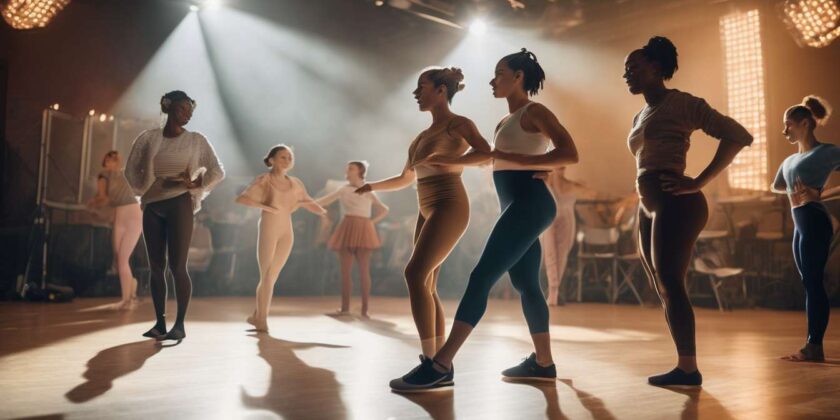
We step into a studio where mirrors catch the glow of warm lights.
A hesitant newcomer laces up shoes while a seasoned performer adjusts a headset.
Both listen as an instructor outlines safety protocols and career options.
Technique drills shift into conversations about bookkeeping, contract negotiation, stage production, and choreography credits.
Training is not just about moves; it becomes a bridge from informal gigs to formalized career paths.
Programs offer certification, mentorship, and transferable competencies.
Dancers gain resume-ready expertise in:
- lighting
- sound design
- event management
- legal literacy
These skills make opportunities in production, creative direction, and arts administration achievable.
The vignette shows how structured programs can:
- professionalize talents
- reshape perceptions
- open sustainable livelihoods
Together, we see exotic dance training evolving into a multifaceted education that prepares artists for long-term careers inside and outside the club.
Studio to Stage
We take fundamental studio skills—floorwork, pole technique, and choreography—and refine them into polished, stage-ready performances.
We build a welcoming rehearsal culture where exotic dance training feels like joining a dependable creative family; everyone’s progression matters.
We break routines into teachable components, give clear feedback, and rehearse transitions until they’re effortless so performers can trust their bodies and each other.
We layer in practical staging rehearsals:
- lighting cues
- costume changes
- spatial awarenessThese elements help acts read an audience and a room.
We integrate production safety standards into rehearsal protocols without turning practice into a checklist, so safety becomes second nature rather than a barrier to expression.
We’re intentional about performer career development:
- Map skills to opportunities
- Offer mentorship
- Create pathways to booking, choreography, and teaching
We want every member to feel seen, supported, and equipped to move from studio practice to confident, community-minded stage presence.
Safety and Professionalism
We prioritize clear safety protocols and professional standards so performers can create confidently and be taken seriously in their careers.
We build curricula that center exotic dance training alongside production safety standards, ensuring everyone learns how to protect their bodies, set boundaries, and navigate work environments together.
- We teach situational awareness.
- We cover emergency response basics.
- We train safe partner work so dancers can trust colleagues and venues.
We foster professional habits — punctuality, contracts, respectful communication — because performer career development depends on reputation as much as skill.
- We create peer-support systems and mentorships so newcomers feel welcome and experienced performers keep sharing best practices.
- We model conflict resolution and consent-focused interactions to maintain dignity on and offstage.
We see safety and professionalism as community standards, not burdens.
By embedding these expectations in training, we help performers advance sustainably, access opportunities, and claim their places in the industry with confidence and mutual respect.
Technical Production Skills
We teach technical production skills so performers understand lighting, sound, staging, and cueing, and can collaborate confidently with crews to shape safe, polished shows.
We break down console basics, mic technique, stage marking, and simple rigging, tying each lesson directly to production safety standards so everyone feels secure and competent.
In hands‑on sessions we rotate roles — performer, technician, stage manager — so people build mutual respect and practical vocabulary that strengthens team bonds.
Our curriculum connects exotic dance training to real workflows used in clubs and theaters, emphasizing clear cue calls and emergency protocols.
We coach on interpreting lighting plots, managing playback, and adapting choreography to changing stage conditions.
These skills reduce accidents, improve show quality, and broaden opportunities for performer career development by making graduates attractive collaborators.
We foster an inclusive cohort where questions are welcome, mistakes are treated as learning, and graduates leave with the technical confidence to contribute creatively and safely to any production.
Business and Finance
We teach practical business and finance skills—budgeting, tax basics, contract review, and income diversification—so performers can manage earnings, plan for taxes, and negotiate fair pay.
We break down cash flow tracking, expense categorization, and simple forecasting into usable templates, and we practice them together so no one feels isolated when handling money.
We cover payment platforms, tips reporting, and basic bookkeeping, while tying these practices to production safety standards and emphasizing how organized finances reduce stress and support safer working environments.
We encourage collective approaches to savings, emergency funds, and retirement planning that fit the realities of gig work, reinforcing that everyone’s success helps the whole community.
We integrate exotic dance training with financial literacy, showing how scheduling, pricing, and promotion choices affect income stability.
We offer peer-led workshops on diversifying revenue—merch, teaching, and digital content—to expand options without compromising safety or artistic integrity.
We focus on performer career development so each person can build sustainable, dignified careers within a supportive network.
Legal and Contract Basics
Purpose: We’ll walk through essential legal concepts and contract basics—like independent contractor vs. employee status, key contract clauses, and dispute-resolution options—so performers can recognize risks and negotiate fair, enforceable agreements.
Why this matters: We’ll outline how classification affects taxes, benefits, and liability, and why clarity matters for our collective belonging and long-term performer career development.
Clauses to watch:
- Payment terms (rate, timing, penalties for late payment)
- Schedule flexibility (who sets shifts, notice requirements)
- Cancellation policy (who cancels, compensation for cancelled gigs)
- Scope of work (expected duties, limits on additional tasks)
- Image and recordings (rights to photos/video, usage, licensing fees)
- Safety obligations (production safety standards, incident reporting, venue duties)
Contract practices to insist on:
- Written agreements — never rely only on verbal promises.
- Clear termination provisions — notice periods, grounds for termination, and any severance or final-pay rules.
- Neutral dispute-resolution method — recommend mediation before arbitration to preserve options and reduce costs.
Recordkeeping and ad hoc changes:
- Use plain-language addenda to document any off-the-book or last-minute arrangements.
- Keep copies of communications and incident reports (emails, texts, signed reports) to protect your rights and support claims.
When to consult counsel:
- Complex or one-sided contracts — get an attorney experienced in entertainment and labor law to review terms, especially on classification, exclusive clauses, and rights to recordings.
Community impact: By learning these basics together and applying them, we’ll strengthen our community, reduce exploitation, and support sustainable exotic dance training pathways.
Mentorship and Networking
Strong mentorship and intentional networking provide practical skills, industry insight, and the relationships needed to find work, stay safe, and grow careers.
We build mentorship circles that pair emerging talent with experienced performers and production staff, so exotic dance training becomes hands-on and community-centered.
Mentors model production safety standards, share backstage routines, and teach de-escalation and venue communication, helping us protect our bodies and boundaries.
We cultivate networks that include choreographers, stage managers, promoters, and peers, creating referral pathways and shared opportunities.
- These connections clarify expectations, expose performers to diverse roles, and offer honest feedback on technique and branding.
- They create referral and booking pipelines that reduce reliance on unpredictable gigs.
- They normalize professional norms (contracts, rider requirements, scheduling) through peer examples.
We hold regular meetups and skill-swaps that normalize asking for help and celebrating progress, so no one feels isolated.
- Meetups provide low-pressure environments for practicing routines, troubleshootingstage logistics, and rehearsing calls or cueing.
- Skill-swaps let performers and crew exchange practical knowledge—costume maintenance, quick repairs, sound checks, and safety protocols.
By centering trust and reciprocity, mentorship and networking make the industry more accessible and safer.
Together, we:
- Grow practical expertise through hands-on guidance and shared routines.
- Strengthen community bonds that support referrals and mutual protection.
- Open clearer routes into sustainable work without depending on formal credentials.
Certification and Portability
Certification pathways & portable credentials
We’ll develop clear certification pathways and portable credentials that verify skills, document safety training, and make performers’ qualifications recognizable across venues and regions.
We’ll design badges and certificates tied to measurable competencies from our exotic dance training modules, including:
- stagecraft
- partner work
- emergency procedures
These credentials will reference production safety standards so hiring managers and peers know what to expect.
Shared registry & digital wallet
We’ll create a shared registry and digital wallet system so performers can present verified records during auditions or when moving between cities, fostering trust and belonging.
Assessments will be transparent, respectful, and trauma-informed. Trainees will receive clear feedback and concrete steps to advance.
Alignment with regulations & best practices
By aligning certifications with local regulations and industry best practices, we’ll protect performers and venues alike.
Recertification, continuing education & performer control
We’ll invest in recurring recertification and continuing education options that support long-term performer career development.
Credentials will remain portable, affordable, and controlled by performers so they can carry professional recognition wherever they work.
Career Pathways Beyond Clubs
Many performers can translate stage skills into related careers—choreography, fitness instruction, costume design, event production, or sex-positive education—that offer more stability and new income streams.
We see exotic dance training as a foundation that opens paths beyond clubs. This foundation helps us teach, consult, and create work for diverse audiences.
By emphasizing production safety standards in our curricula, we prepare peers to run safer workshops, coordinate inclusive shows, and advise venues on risk management.
Our programs center performer career development so people gain business skills—marketing, contract negotiation, and portfolio building—that make transitions feasible and sustainable.
We build networks where alumni mentor one another, share gig leads, and co-create community projects that value our talents.
Together we normalize lateral moves:
- A dancer becomes a choreographer.
- A dancer becomes a pole coach.
- A dancer becomes a wardrobe specialist.
This collective approach strengthens belonging, expands earning options, and ensures that expertise developed onstage gets recognized and rewarded across industries.
How do training programs address mental health and emotional well-being specific to current and former exotic dancers?
We recognize the question and center emotional safety.
We offer trauma-informed counseling, peer support groups, and access to licensed therapists who respect sex-worker experiences.
We create confidentiality safeguards and crisis resources.
We run workshops on boundary-setting, coping skills, and grief processing.
We connect dancers to substance-use services, legal aid, and transition coaching.
We normalize seeking help and celebrate resilience.
We keep services affordable, accessible, and culturally competent for current and former dancers.
What accommodations or support exist within these programs for participants with disabilities or chronic health conditions?
We provide flexible scheduling, remote or hybrid participation options, and adjustments to physical tasks to accommodate varied needs.
We ensure accessible facilities and sensory-friendly environments by offering:
- Access ramps and other mobility accommodations.
- Quieter practice or rehearsal spaces.
- Sensory-friendly options (lighting, sound, low-stimulation areas).
- Adaptive equipment as needed.
We connect participants to health and support services, including:
- Healthcare referrals and coordination.
- Counseling and mental-health supports.
- Case management for ongoing needs.
- Financial assistance to cover medical or disability-related expenses.
We embed accessibility into program design and governance by:
- Centering accessibility in curriculum development.
- Including participants with disabilities in decision-making and feedback processes.
How are cultural competency and inclusivity (race, gender identity, body size, religious beliefs) taught and enforced in production teams and workplaces?
We prioritize cultural competency and inclusivity.
- We deliver ongoing workshops.
- We run lived-experience panels that center respect for race, gender identity, body size, and religious beliefs.
- We co-create policies with stakeholders to ensure relevance and buy-in.
We train staff in trauma-informed communication.
- Training emphasizes empathetic, non-judgmental interactions and safe responses to disclosures.
- Staff learn de-escalation, boundary-setting, and referral practices.
We use clear reporting and accountability systems.
- Systems include confidential reporting channels and transparent investigation procedures.
- Accountability mechanisms specify consequences and follow-up actions.
We adapt spaces and schedules for varied needs.
- Physical spaces are accessible and inclusive.
- Scheduling is flexible to accommodate caregiving, religious observances, and differing energy levels.
We insist on diverse hiring and equitable pay.
- Recruitment practices target diverse candidate pools and reduce bias.
- Compensation is regularly reviewed for equity and transparency.
We conduct regular reviews of practices.
- Periodic audits and feedback loops assess effectiveness.
- Improvements are implemented based on data and community input.
The result: everyone feels seen, safe, and valued in our workplaces.
Conclusion
You’ll leave these training programs ready to move from studio to stage with confidence, safety, and professionalism.
You’ll learn technical production, business and legal basics, and how to manage finances so you can run or contract your own shows.
With mentorship, networking, and recognized certification that travels with you, you’ll open career pathways beyond clubs—into touring, event production, education, and consulting—so you can build a sustainable, portable career in exotic dance production.