
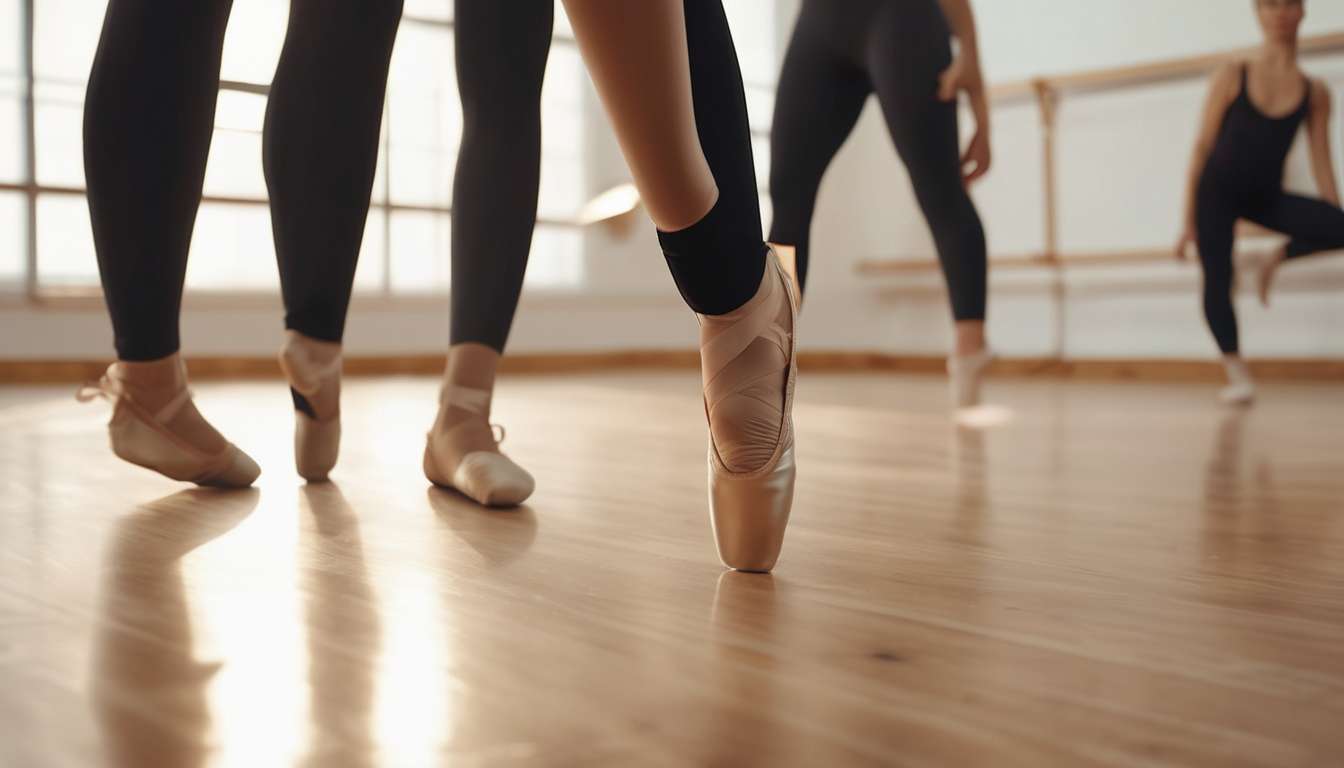
Unseen by many, the structures that uphold our stages are as varied as the dances themselves. While some companies rely on informal tradition, others follow rigorous codes developed by industry associations. This contrast shapes not only technique but safety, career progression, and public perception of our craft.
When associations set competency standards, ethical guidelines, and educational benchmarks, we gain shared language and measurable expectations. These benefit performers, teachers, and employers alike by clarifying roles, evaluating skills, and raising overall quality.
Where standards are absent or inconsistent, problems arise. We encounter uneven training, exploitative practices, and barriers to professional mobility that hinder artists and weaken the field.
Associations promote professionalization through several mechanisms:
- Accreditation
- Continuing education
- Advocacy
By examining these mechanisms we can trace how associations protect practitioners and elevate the art form. This includes looking at examples of effective association-led initiatives and the difficulties of enforcing standards across diverse genres and geographies.
Practical steps for associations and dancers to sustain professionalism include:
- Developing clear, adaptable competency frameworks.
- Expanding accessible continuing-education opportunities.
- Creating transparent accreditation and complaint processes.
- Building partnerships across regions and genres to harmonize standards.
Together we can ensure that our art remains both expressive and sustainably professional.
Role of Associations
Associations advocate for dancers’ rights, set professional standards, and provide resources that help members build sustainable careers.
We create a shared identity where members feel seen and supported.
- We make professional standards tangible through clear codes of conduct, pay guidelines, and industry best practices.
We offer pathways to accreditation that recognize experience and training.
- This lets emerging and established artists signal credibility and find trusted opportunities.
We organize continuing education to keep the community adaptable and confident.
- Workshops
- Mentorships
- Scholarships
We negotiate collective benefits that reduce individual precarity.
- Health and insurance coverage
- Performance protections
- Other shared benefits
We listen to members and convene forums where voices shape policy.
- Member feedback informs priorities and responses to shifting needs.
By pooling knowledge and resources, we amplify individual capacity and foster sustainable careers rather than isolated survival.
We cultivate belonging through shared standards, mutual recognition, and ongoing learning, so every dancer can progress with dignity and professional support.
Competency Frameworks
We define clear competency frameworks that spell out the technical, artistic, and workplace skills dancers need at each career stage.
We map expectations from entry-level technique and safe practice to advanced artistry, leadership, and teaching.
These frameworks create a shared language so members feel included, understood, and supported as they progress.
We align frameworks with professional standards to ensure consistency across schools, companies, and freelance work, and we use them to guide mentoring and peer review.
We design competencies to be measurable and attainable, with practical indicators for:
- performance
- rehearsal etiquette
- injury prevention
- collaborative skills
We do not prescribe specific accreditation processes, but we acknowledge how frameworks inform pathways to recognized qualifications and encourage organizations to adopt them.
We embed continuing education so dancers can refresh skills and adapt to changing artistic and workplace demands.
We co-create frameworks with members to foster ownership, mutual respect, and a sense of belonging within the profession, strengthening both individual careers and the community as a whole.
Accreditation Systems
We establish clear accreditation systems that validate institutions, programs, and individual qualifications while remaining flexible enough to respect diverse training models and career paths.
We design criteria rooted in professional standards so every member feels seen and supported, not excluded.
Our accreditation processes are transparent, consistent, and collaborative:
- Institutions submit evidence.
- Peer reviewers assess.
- Decisions include constructive feedback that builds trust across our community.
We make room for emerging schools, freelance educators, and alternative pathways by offering tailored pathways within the accreditation framework.
We monitor outcomes and require periodic review to maintain quality without imposing one-size-fits-all models.
Wherever possible, we align accreditation with pathways that recognize ongoing skill maintenance and growth, signaling to funders and employers that accredited individuals meet agreed-upon benchmarks.
By stewarding accreditation processes that balance rigor with inclusivity, we strengthen collective credibility, enhance mobility for dancers, and foster a shared sense of belonging within the profession.
Continuing Education
We provide accessible, relevant learning opportunities that help dancers refresh skills, explore new techniques, and adapt to changing career demands.
We design continuing education that aligns with professional standards and supports clear pathways for growth.
Our workshops, masterclasses, and online modules are created with input from accredited instructors and linked to accreditation renewal where appropriate, so members see tangible benefits.
We celebrate a community that learns together, sharing feedback and celebrating milestones.
We offer sliding-scale fees, mentorships, and peer review sessions to keep learning inclusive and practical.
We track outcomes, update curricula to reflect industry shifts, and publish recommended competencies so everyone knows what quality looks like.
We also partner with institutions to recognize prior learning and streamline accreditation credits, reducing redundancies for experienced professionals.
We encourage members to set personalized development goals, access curated resources, and record progress through our learner portfolio system.
By committing to continuing education, we strengthen collective expertise, uphold professional standards, and reinforce our belonging as a resilient, skilled network of dancers.
Ethical Guidelines
We commit to clear, enforceable ethical guidelines that protect dancers’ rights, promote safety, and ensure fair, respectful conduct across our community.
We set shared expectations for behavior in studios, rehearsals, auditions, and performances, grounding those expectations in professional standards that honor dignity and inclusion.
We create transparent processes for reporting concerns and resolving disputes, so every member knows how to seek redress without fear.
We require accreditation of programs and schools that meet our codes, linking credibility to adherence rather than reputation alone.
We expect leaders and teachers to model consent, equitable treatment, and appropriate boundaries, and we support members with guidance rather than punishment where possible.
We integrate ethical training into continuing education offerings, making regular refreshers part of career development.
We cultivate a culture where accountability and compassion coexist, and where everyone feels empowered to speak up.
We believe that clear rules, consistent enforcement, and ongoing learning strengthen trust, protect careers, and sustain a more inclusive profession for all.
Advocacy and Policy
We will advocate for policies that secure dancers’ rights, fair pay, safe working conditions, and access to health and career services.
We will press for clear professional standards that protect performers across companies and venues, ensuring everyone knows what respectful, safe practice looks like.
We will lobby for accreditation of training programs so dancers can trust the credentials they earn and employers can rely on consistent preparation.
We will champion legislation and collective bargaining that enshrines living wages, transparent contracts, and time for recovery and healthcare.
We will promote funding streams that support scholarships and transition programs, making career longevity possible for all members.
We will set policy priorities informed by members’ lived experience.
- We will use data from complaints, workplace audits, and outcomes of continuing education to refine recommendations.
We will build coalitions with labor groups, health providers, and arts funders, and we will keep communications open so every dancer feels represented.
Our advocacy will be practical, accountable, and focused on strengthening community and professional integrity.
Cross-Genre Collaboration
We will actively foster cross-genre collaboration to expand creative possibilities, share techniques, and create sustainable career pathways for dancers working across styles.
We commit to building inclusive networks where contemporary, classical, urban, folk, and experimental artists meet as peers, recognizing that shared practice strengthens our collective identity.
We will align cross-disciplinary projects with clear professional standards to ensure respect for each tradition while promoting innovation.
We will create joint accreditation pathways and modular credentials that validate hybrid skill sets so members feel seen and their work translates across employers and communities.
Our programs will emphasize continuing education, including:
- workshops
- mentorships
- short courses
These offerings will let dancers pivot between genres without losing support.
We will curate exchange residencies and co-taught classes that model collaborative pedagogy and equitable crediting of creators.
We will amplify diverse voices and reduce isolation by building portable qualifications that honor craft and career longevity.
Together, we will strengthen belonging and professional trust across the dance ecosystem.
Implementation Challenges
Practical barriers must be addressed so cross-genre initiatives are fair and sustainable.
Funding, scheduling, and differing evaluation norms are the main practical barriers that need coordinated solutions.
We will pool resources to fund pilot programs and subsidize participation.
- Use sliding scales and partner with organizations to reduce financial exclusion.
- Create seed grants for trial projects and bursaries for participants.
We will coordinate calendars and design modular curricula to fit artists’ gig-based lives.
- Implement modular, on-demand learning units combined with periodic live intensives.
- Maintain a shared calendar platform to minimize scheduling conflicts and sustain momentum.
We will align professional standards across ballet, contemporary, and street forms through clear, shared benchmarks that honor each style.
- Develop competency frameworks that specify skills, outcomes, and flexible assessment rubrics for each genre.
- Use genre-specific descriptors within a common framework so standards are comparable but not homogenizing.
We will set up peer review panels representing multiple genres to create equitable evaluation norms.
- Ensure panels are diverse by style, background, and lived experience.
- Train reviewers in cultural competence and bias mitigation.
We will design transparent, accessible accreditation pathways so members from varied backgrounds feel validated rather than judged.
- Publish clear criteria, evidence requirements, and appeals processes.
- Offer multiple entry routes (portfolio review, practical demonstration, mentorship pathways).
We will commit to iterative assessment and community feedback.
- Regularly solicit participant input and use it to refine accreditation criteria and educational offerings.
- Run periodic pilot evaluations and publicize lessons learned.
By centering inclusion and practical supports, implementation becomes realistic and strengthens a shared professional identity.
- Emphasize mutual care, ongoing development, and recognition across genres to build trust and long-term sustainability.
How do industry associations handle disputes between individual dancers and their employers or choreographers?
We handle disputes between dancers and employers or choreographers by offering mediation, guidance, and advocacy.
We listen to both sides.
- We gather facts and perspectives to understand the dispute fully.
- We clarify expectations, contracts, and codes of conduct.
We suggest fair resolutions.
- We propose mutually acceptable solutions and facilitate negotiation.
- We prioritize respectful communication and protecting careers.
If needed, we escalate appropriately.
- We can initiate formal grievance procedures.
- We provide neutral arbitration when requested.
- We connect members with legal resources and external support.
Our priorities are clear.
- Respectful communication.
- Career protection.
- Community wellbeing.
Outcome: Dancers feel supported, heard, and confident pursuing fair outcomes together.
What protections exist for freelance dancers regarding unpaid work, non-payment of royalties, or misuse of recorded performances?
Protections available to freelance dancers
Written contracts are the first line of protection.
- Use clear, written agreements that specify scope of work, payment amount and schedule, rights over recordings, and cancellation and remedy clauses.
- Include clauses for late-payment interest, dispute resolution (mediation/arbitration), and ownership/licensing of recordings and choreography.
Copyright and performer (neighboring) rights can stop misuse of recordings and secure royalties.
- Dancers may hold or share copyright in choreography (where local law recognizes it) and have neighboring/performance rights in many jurisdictions.
- Register choreography and recordings when possible to strengthen enforcement and to make takedown or royalty claims easier.
- Keep records proving authorship and contribution (dates, drafts, rehearsal notes, witness statements).
Document everything to support claims for unpaid work or misuse.
- Track hours, rehearsals, performances, delivery of services, and communications (emails, texts, invoices).
- Keep copies of recordings, contracts, receipts, and social posts that use your work.
Use DMCA/takedown and platform remedies for unauthorized online use.
- Send takedown notices to platforms hosting unauthorized recordings; platforms commonly have DMCA procedures.
- Preserve evidence (screenshots, URLs, timestamps) before content is removed.
Pursue local dispute-resolution and enforcement channels for payment or royalties.
- File small-claims suits for unpaid fees if the amount falls within the jurisdictional limit.
- Use local labor or employment tribunals if work arrangements meet employee/contractor criteria under law.
- Consider lien or collection remedies where available.
Join cooperatives, unions, or collectives to strengthen bargaining and enforcement.
- Collective organizations provide contract templates, legal clinics, collective bargaining, and shared enforcement resources.
- Unions or co-ops can negotiate standard rates, license terms, and pursue industry-wide remedies for misuse.
Practical steps to implement these protections
- Draft or obtain a simple, clear contract template tailored for dancers.
- Register choreography and recordings where registration is available.
- Keep an organized evidence folder (digital and/or physical) for each engagement.
- Use invoice tracking and set firm payment terms, including late fees.
- If unpaid, send a formal demand letter before filing in small claims or other tribunals.
- Use takedown notices for unauthorized online uses and escalate to lawyers or platforms if ignored.
- Connect with local arts organizations, unions, or legal clinics for support.
When to get legal help
- Complex disputes over ownership, large unpaid sums, ongoing misuse, or cross-border issues warrant consulting an attorney experienced in entertainment, copyright, and labor law.
- Use pro bono or low-cost legal clinics and union legal services if available.
Key takeaway
Combine strong written agreements, careful documentation, use of copyright/performer rights and platform takedowns, and collective support (unions/cooperatives) to reduce risk and improve enforceability when facing unpaid work, missing royalties, or misuse of recordings.
How do associations support dancers transitioning out of performance careers into teaching, choreography, or other professions?
We help dancers transition by offering mentorship programs, career counseling, and networking events that build community.
We provide workshops covering practical and artistic skills:
- Pedagogy
- Choreography
- Auditioning for teaching gigs
- Resume and portfolio development
- Business skills (contracts, taxes)
We connect members with professional opportunities and resources:
- Placement opportunities
- Fellowships
- Continuing education
We create peer support groups so everyone feels seen, supported, and confident moving into teaching, choreography, or new professions.
Conclusion
Industry associations raise standards for dancers through clear competency frameworks, accreditation systems, continuing education, and ethical guidelines.
By advocating policy changes and fostering cross-genre collaboration, they help dancers build sustainable careers and protect their rights.
Implementation faces challenges — funding, access, and consensus — but these organizations remain essential catalysts for professional growth and integrity.
You can rely on them to steer the field toward higher quality, fairness, and innovation.