
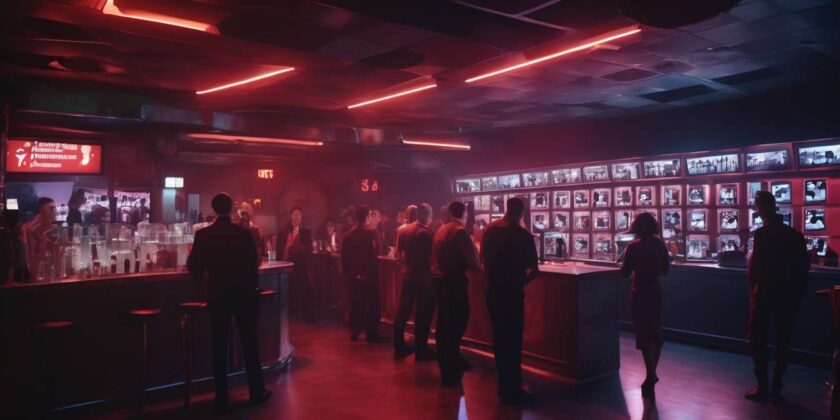
Venue safety is not just about having a bouncer and a camera.
We often accept that shorthand, letting the belief that visible security equals sufficient protection guide our decisions, but that misconception leaves critical gaps in how we manage nightlife spaces.
As venue operators, staff, and community partners, we must recognize that safety policies are more than a checklist of equipment and regulations; they are living frameworks that shape behavior, inclusivity, legal exposure, and the overall atmosphere.
When we rely solely on surface measures, we miss opportunities to prevent harm, de-escalate conflicts, and support vulnerable patrons.
Responsible management demands that we interrogate assumptions, integrate training, design environments thoughtfully, and build clear communication channels with patrons and authorities.
In this article, we will:
- Dismantle common myths about venue safety.
- Outline practical policy components you can adopt.
- Show how proactive, comprehensive safety planning fosters compliance, trust, sustainability, and better nightlife experiences for everyone involved.
Rethinking Visible Security
We’ll balance visible security so it deters trouble without making patrons feel policed.
Visible presence should signal care and competence, not intimidation. This involves deliberate choices about uniforms, positioning, and demeanor so staff are approachable while still effective.
Design sightlines and staffing patterns so crowd management feels natural.
- Unobtrusive roving teams.
- Clear entry checkpoints.
- Visible but relaxed presence near high-traffic areas.
Invest in staff training that emphasizes de-escalation, hospitality, and consistent rule enforcement.
- Train every team member to act as both guardian and host.
- Role-play common scenarios and responses.
- Reinforce non-confrontational communication techniques.
Communicate policies to guests in welcoming language and provide accessible staff for assistance.
- Use signage and pre-event materials that frame rules as community care.
- Ensure staff are easy to locate for questions or help.
Evaluate visible-security tactics regularly using data and feedback.
- Review incident reports and patron feedback.
- Refine placement, timing, and interaction styles based on findings.
Outcome: By implementing these practices, we create spaces where people feel safe and included — where security supports social connection rather than isolating it, and where our actions reflect respect for both safety and community.
Core Safety Policy Elements
Purpose:
We’ll define a concise set of policies that cover entry screening, behavior standards, emergency procedures, medical response, and reporting so everyone knows expectations and responsibilities.
Venue safety principles:
We outline clear venue safety rules that make guests and team members feel included, respected, and protected.
Entry screening (balance warmth with consistency):
- Key points: Reduce risk while welcoming diverse attendees.
- Practices: Standard ID/age checks, bag inspections, clear signage about prohibited items, trained greeters who use consistent scripts.
Behavior standards (specific and enforceable):
- Prohibitions: No harassment, no weapons.
- Escalation and consequences: Clear escalation steps (verbal warning → escorted removal → ban) and defined consequences so people know they’ll be supported.
Emergency procedures (readable roles and routes):
- Clarity: Mapped roles and evacuation routes, visible signage, redundant communications (PA, staff radios, signage).
- Objective: Keep the crowd calm and informed.
Medical response (rapid care and documentation):
- On-site resources: Specified equipment (first-aid kits, AED), trained staff or contracted medics.
- Access and logging: Rapid access to care and systematic incident logging.
Crowd management (prevent escalation):
- Controls: Capacity limits and flow patterns.
- Tactics: Calm intervention techniques, staff positioning to de-escalate before issues escalate.
Incident reporting and review (continuous improvement):
- Process: Systematic incident reporting and review.
- Outcome: Lessons learned shape safer nights.
Overall goal:
Together these core elements create a predictable, caring environment where everyone can belong and enjoy nightlife with confidence.
Staff Training and Development
We’ll equip every team member with practical skills, scenario-based practice, and regular refreshers so they can enforce policies, respond to incidents, and support patrons confidently.
Training is welcoming and inclusive.
- We design staff training so everyone feels they belong to a capable, caring team committed to venue safety.
- Materials and delivery consider diverse backgrounds and learning styles.
Core skills taught:
- Clear communication.
- De-escalation.
- Incident reporting.
- Accessibility awareness.
Each module ties to real shifts and predictable challenges.
- Content is shift-relevant and immediately applicable.
- We emphasize short, actionable techniques staff can use on the floor.
We use role-plays and short simulations that mirror busy nights without recreating whole crowd conditions.
- Exercises reinforce judgment and teamwork.
- Simulations focus on common scenarios (e.g., intoxication, disputes, accessibility needs).
We set measurable competencies, certify completion, and schedule brief, focused refreshers.
- Competencies are observable and testable.
- Certifications confirm readiness and completion.
- Regular refreshers keep knowledge current without overwhelming staff.
Supervisors coach on-duty with constructive feedback.
- Coaching builds confidence rather than punishing mistakes.
- Feedback is specific, actionable, and timely.
We collect staff input to improve materials and recognize growth.
- Staff feedback informs curriculum updates.
- Clear pathways for advancement are tied to demonstrated skills.
By centering practical training, mutual respect, and continuous improvement, we create a safer, more connected environment where staff and patrons trust that responsibilities are shared and handled professionally.
Crowd Management Strategies
We’ll plan clear, scalable procedures that keep flow smooth, prevent bottlenecks, and let us respond quickly when situations escalate.
We map entry and exit routes, designate holding zones, and pace capacity to match our physical layout and event type.
Every decision ties back to venue safety:
- Signage, lighting, and barriers guide movement without feeling restrictive.
- Staged crowd-management roles ensure people know who to turn to.
- Synchronized radios and signals prevent confusion.
We practice scenario drills that mirror real shifts and pair seasoned staff with newer team members so training becomes ongoing coaching, not a checklist.
We monitor crowd density using simple tech and human observation, and adjust service points or open routes before tension builds.
We keep communication calm, consistent, and welcoming so guests feel seen and supported while we maintain order.
By designing predictable flows, reinforcing skills, and staying attentive, we protect everyone’s wellbeing and preserve the shared, safe night out we want to create.
Inclusive Access and Support
We’ll ensure everyone can enter, move through, and enjoy our space by removing barriers, offering clear accommodations, and providing discreet support when needed.
We design entrances, seating, and sightlines so visitors with mobility, sensory, or communication needs can participate fully.
Our policies embed accessible ticketing, quiet zones, gender-neutral restrooms, and sensory-friendly performances as standard options.
We link inclusive access directly to venue safety and crowd management, recognizing that clear paths and calm transitions reduce risk for everyone.
We train staff to spot distress, offer assistance respectfully, and implement nonconfrontational de-escalation.
- Staff training includes:
- Disability etiquette.
- Communication alternatives.
- Evacuation procedures that account for diverse needs.
We create signage and pre-event information in plain language and multiple formats so guests know what to expect and request support.
We invite feedback, monitor participation, and adjust practices to strengthen belonging.
By centering accessibility, we improve safety, ease crowd flow, and build trust so everyone feels welcome and protected in our space.
Incident Reporting Systems
We establish clear, easy-to-use incident reporting systems so staff and guests can quickly document safety concerns, injuries, or policy breaches.
We make forms accessible in multiple formats — paper, mobile, and quick digital kiosks — so anyone can report without feeling excluded.
Our system links to venue safety protocols and crowd management plans, ensuring every report is routed to the right responder promptly.
We train staff to recognize incidents, record facts objectively, preserve evidence, and reassure reporters.
- Train staff to identify signs of an incident and when to escalate.
- Teach objective note-taking (who, what, when, where), evidence preservation, and safe scene management.
- Coach staff in providing reassurance and clear next steps to reporters, reinforcing that their input matters.
Incident logs are reviewed regularly to spot patterns, inform staff training, and adjust procedures before small issues escalate.
- Conduct routine reviews of incident data.
- Identify recurring issues or hotspots.
- Update training and procedures based on findings.
We maintain confidentiality and provide transparent follow-up steps so reporters feel safe and valued.
- Protect reporter identity where needed.
- Communicate next steps and outcomes to involved parties when appropriate.
- Share anonymized summaries to spread lessons across the team.
By centralizing reports, monitoring trends, and acting on findings, we strengthen trust among staff and patrons, improve response quality, and create a shared culture of care that keeps our space safer and more welcoming for everyone.
Partnerships with Authorities
We build formal partnerships with local police, fire departments, and health services so we can coordinate responses, share intelligence, and streamline permit and inspection processes.
We align on communication protocols, designate liaison officers, and schedule joint briefings so everyone knows expectations before an event.
By doing this, our venue safety approach becomes a shared responsibility rather than a solo task.
We invite partners to observe drills and participate in table-top exercises that mirror realistic crowd dynamics; this strengthens crowd management plans and reduces uncertainty during peaks.
We coordinate on medical response pathways and evacuation routes to ensure first responders can access the space quickly.
Our partnerships inform staff training curricula so each team member understands when to escalate incidents to authorities and how to work cooperatively under pressure.
This collaborative network supports our community, reinforces trust among patrons and staff, and creates a safer, more welcoming nightlife environment where everyone belongs and contributes to prevention and rapid, effective response.
Continuous Review and Improvement
We regularly review incident reports, patron feedback, and operational data to identify gaps and update our policies and procedures.
We involve staff, regulars, and community partners in structured debriefs so everyone feels ownership of venue safety.
We analyze crowd management outcomes after busy nights and tweak entry flows, signage, and barrier placement based on measurable results.
We use anonymous feedback channels and follow-up surveys to surface concerns from people who may not speak up in the moment.
We schedule recurrent staff training that reflects lessons learned, updating scenarios and checklists to keep skills fresh and consistent.
We set clear metrics — response time, incident recurrence, patron satisfaction — and publish progress so teams see the impact of their work.
We iterate quickly when problems appear, documenting changes and communicating them transparently.
By treating review as a shared responsibility, we build trust, foster inclusion, and maintain a safer, more welcoming environment for everyone who spends time in our space.
How can venues balance safety measures with preserving a relaxed or festive atmosphere without making guests feel policed?
We’re asking how venues balance safety with a relaxed, festive vibe without making guests feel policed.
Design unobtrusive measures.
- Use clear signage, subtle lighting, and visible but approachable security.
- Arrange furniture and circulation paths to reduce crowding without obvious barriers.
- Choose barriers, stanchions, or demarcations that blend with decor rather than dominate it.
Train staff to be friendly and restorative.
- Teach de-escalation and trauma-informed approaches.
- Encourage staff to prioritize relationship-building over enforcement.
- Role-play common scenarios so responses feel natural and kind.
Communicate norms positively.
- Frame rules as community care rather than strict prohibitions.
- Use welcoming language on signs and in announcements.
- Provide quick, simple explanations for safety measures so they feel reasonable.
Invite feedback and celebrate community responsibility.
- Offer easy channels for guests to share concerns or suggestions.
- Highlight examples of positive guest behavior and staff interactions.
- Regularly review feedback and adapt practices to evolving needs.
Adapt practices so people feel cared for, included, and free to enjoy themselves.
- Iterate on measures based on attendance, incidents, and feedback.
- Maintain transparency about why certain practices exist and when they might change.
- Balance visible support (first-aid stations, staff presence) with unobtrusive monitoring to preserve a festive atmosphere.
What specific legal liabilities could venue owners face if safety policies are poorly implemented, and how can they obtain affordable legal guidance?
Risks if safety policies fail
We risk lawsuits for negligence, premises liability, dram shop claims, and regulatory fines.
We can also face criminal charges, civil suits, and reputational harm.
Affordable ways to get legal guidance
- Use bar association referral services.
- Visit legal clinics.
- Subscribe to small‑business legal plans.
- Use online templates from reputable sources.
- Consider limited consultations with a specialist to tailor policies without breaking the budget.
How should venues handle safety communication and policy enforcement with private event promoters or third-party vendors who operate within the space?
Set clear expectations with promoters and vendors from the start. Share written safety policies, emergency protocols, and defined role responsibilities.
Require signed agreements that assign duties and liability. Use these agreements to clarify who is responsible for what and to document liability expectations.
Provide joint trainings and walkthroughs. Regularly conduct trainings and on-site walkthroughs so all parties understand procedures and site-specific risks.
Keep open lines for reporting concerns. Establish and publicize reporting channels for safety issues or policy breaches.
Monitor events and enforce rules consistently. Actively observe operations during events and apply rules fairly and predictably.
Offer debriefs afterward to improve practices together. Hold post-event reviews to discuss incidents, lessons learned, and actionable improvements so everyone feels supported, accountable, and part of a safer venue community.
Conclusion
You’ve seen how rethinking visible security, clear policies, trained staff, and thoughtful crowd management create safer nightlife spaces.
By prioritizing inclusive access, supportive incident reporting, and strong partnerships with authorities, you’ll foster an environment where patrons feel protected and respected.
Commit to continuous review and improvement so your venue adapts to changing needs and risks.
When you take responsibility and stay proactive, safety becomes a shared value that enhances the experience for everyone.