
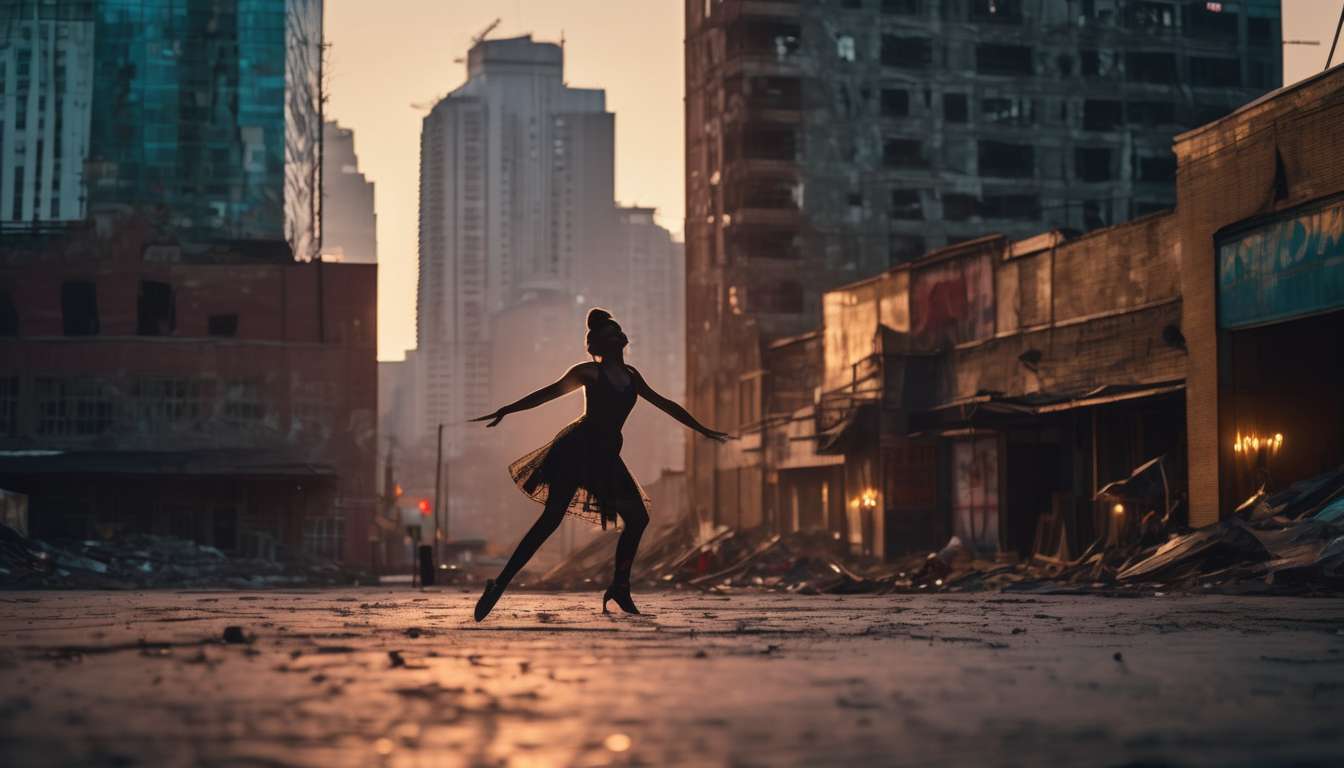
Untangling urban planning and the rhythms of nightlife, we find that redevelopment plans often read like choreography sheets that change tempo without consulting the dancers.
We remember evenings when neon-lit corridors and late-night rehearsal spaces pulsed together, a delicate ecosystem where landlords, performers, club owners, and residents improvised coexistence.
Now, proposals for luxury condos, widened boulevards, and mixed-use towers promise revitalization but risk silencing improvisation: rising rents, restricted hours, and design choices that prioritize sightlines over sound.
We cannot ignore how zoning tweaks and facade restorations ripple through creative communities, altering where companies rehearse, audiences gather, and cultural memories accumulate.
As stakeholders across sectors negotiate permits and placards, we must ask how to balance economic development with safeguarding the textured social life that defines established dance districts.
This piece traces those unexpected connections and considers how policy can sustain both growth and the fragile art forms that thrive within these changing streets.
Historic District Identity
We’re examining how redevelopment plans are reshaping the historic identity of the Dance District and what that means for preservation and community memory.
We feel the weight of dance district preservation in every meeting and on every block where music used to flow unimpeded.
We want zoning and sound ordinances to reflect the rhythms that made this neighborhood home, not silence them with rules designed without our input.
We notice proposals that prioritize new construction over the venues and rehearsal spaces that anchor collective history, and we worry about artist displacement when affordable spaces vanish.
We’re working to keep storytelling alive—programs, plaques, and shared archives that honor performers, promoters, and communities who built this place.
We’ll push for adaptive reuse that keeps stages and storefronts intact, for flexible ordinances allowing evening culture, and for tenant protections supporting artists.
We want belonging to guide policy so the district’s identity endures as both living culture and remembered legacy.
Economic Pressures Rising
Problem: Rising costs and shrinking space are squeezing the district.
We’re seeing rising rents, development-driven property taxes, and shrinking rehearsal and performance spaces that squeeze the people and businesses that keep the district alive.
We feel the strain collectively: small studios, costume shops, and grassroots companies confront budget shortfalls and hard choices.
We want to protect dance district preservation because these places are where relationships, mentorships, and nightly rituals form our community’s backbone.
Response: Organize, document, and advocate.
We’ll confront economic pressures by:
- Organizing shared resources (equipment, administrative support).
- Pooling rehearsal hours to maximize space use and reduce costs.
- Advocating for targeted subsidies that keep doors open for small arts organizations.
We’ll document artist displacement with care by:
- Uplifting personal stories to humanize impacts.
- Collecting clear data on closures, rent increases, and lost hours for policymakers and sympathetic developers.
Partnerships and principles: Build alliances and demand fair processes.
We’re building alliances with local businesses and neighborhood groups to show that supporting creative spaces stabilizes broader commerce and civic life.
We’ll ask for:
- Fair processes in development decisions.
- Transparency around tax assessments and zoning changes.
- Practical measures that prioritize long-term cultural vitality over short-term profit.
Our goal is for the district to remain a welcoming home for creators, audiences, and everyone who belongs here.
Zoning and Sound Policies
Protect performance venues, rehearsal spaces, and neighboring residents without silencing our community.
We want clear, fair zoning and sound ordinances that prioritize dance district preservation while balancing everyday life for neighbors.
We’ll advocate for performance zones that allow evening activity and reasonable decibel levels tailored to studios and clubs, not one-size-fits-all limits that lead to artist displacement.
We’ll work with city planners to create buffering rules, flexible permit processes, and sound mitigation grants so venues can comply without closing.
We’ll insist on predictable enforcement and community-led complaint mechanisms so small venues aren’t pushed out by sudden fines or unclear standards.
We’ll support inclusive zoning that recognizes cultural use as essential infrastructure, protecting spaces where dancers train, collaborate, and perform.
Together we’ll keep our district vibrant and accessible, resisting policies that fragment our community and ensuring that dancers, residents, and venues coexist with mutual respect.
Developer Priorities Clash
Too often developers prioritize profit and high-density projects that squeeze out affordable studios and performance spaces. We must push back to ensure new development supports — not displaces — our dance community.
Developers sometimes treat our neighborhood like empty lots rather than a living web of artists, teachers, and audiences. When they ignore dance district preservation, they erase the cultural memory that makes a place distinct.
We’ll insist that redevelopment plans include clear protections.
- Durable leases for studios and small venues.
- Community-first commercial spaces (affordable storefronts, rehearsal rooms).
- Funding for technical upgrades (sound systems, lighting, ventilation) to keep venues viable.
We’ll demand zoning and sound rules that balance residential interests with the need for live performance.
- Use mediation and sound‑mitigation strategies rather than punitive closures.
- Adopt flexible hours, decibel standards, and insulation grants to allow coexistence.
We’ll monitor and push back on proposals that risk artist displacement.
- Track development proposals and call for artist-impact assessments before approvals.
- Require community benefits agreements when public or discretionary approvals are involved.
- Advocate for relocation assistance or on-site affordable spaces when projects proceed.
By organizing, testifying at hearings, and negotiating community benefits, we can influence priorities so development strengthens — not fragments — our shared creative home.
Housing and Artist Displacement
Problem: displacement of dancers and teachers
We’re seeing rising rents and shrinking affordable housing that force longtime dancers, teachers, and their families to leave the neighborhood. Neighbors who trained and taught here for years are being squeezed out by market pressures, with real consequences for community continuity and cultural memory.
Policy goals: preserve dance district and protect creatives
We push for dance district preservation policies that prioritize:
- subsidized housing
- live-work units for performers and instructors
- targeted grants for teachers and choreographers
Regulatory protections: zoning and sound
We advocate for the fair implementation of zoning and sound ordinances so studios can coexist with new developments without punitive fines or forced closures.
What “artist displacement” means
When we say artist displacement, we mean real families, teachers, and emerging choreographers losing both homes and rehearsal spaces, not just abstract metrics.
Organizing and advocacy strategies
We will:
- organize tenant unions
- partner with local advocacy groups
- demand thorough impact assessments before approvals
Vision and concrete provisions
We want a future where creatives belong and legacy studios survive. Redevelopment must include concrete provisions such as:
- affordable units and rent protections
- cultural easements that safeguard rehearsal and performance space
- grant programs and live-work incentives to keep the dance community rooted rather than scattered
Infrastructure and Accessibility
We’ll prioritize upgrades to sidewalks, lighting, public transit access, and building entrances so dancers, students, and audience members — including those with disabilities — can move to, from, and within the district safely and reliably.
Key accessibility features will include:
- Widened walkways
- Step-free access
- Clear signage
- Tactile cues
We’ll work with transit agencies to:
- Improve routes and schedules for late-night classes and shows
- Advocate for safe bike lanes
- Create drop-off zones for community members with varied mobility needs
We’ll push for infrastructure decisions that support dance district preservation by tying physical improvements to protections against erosion of cultural spaces.
Coordination with planners will focus on:
- Zoning and sound ordinances that allow venues to operate without forcing neighbors out
- Preventing policies that accelerate artist displacement
By centering infrastructure on the people who use the district daily, we’ll build a reliable, inclusive environment that keeps our creative community rooted and connected.
Community-Led Alternatives
We’ll support community-led alternatives that let local artists and residents create, run, and sustain affordable rehearsal, performance, and gathering spaces.
- Organize cooperative ownership models, shared studios, and pop-up venues so neighbors keep creative control and feel rooted.
- Pool resources and skills to reduce reliance on speculative landlords and better resist artist displacement that fragments our networks.
We’ll negotiate community benefit agreements with developers to protect dance district preservation while insisting on transparent decision-making.
- Train volunteer boards in managing finances, bookings, and maintenance so spaces stay viable long-term.
- Pilot rent-stabilized leases and time-limited occupancy guarantees with sympathetic property owners.
We’ll engage with local officials to clarify zoning and sound ordinances that allow nighttime arts activity without punitive fines.
- Document successes to replicate across blocks.
- Center inclusive governance, mentorship, and accessible programming so everyone in our community can belong, contribute, and see a future where creativity and home grow together.
Policy Paths Forward
Policy tools to secure long-term affordable arts spaces.
We’ll pursue targeted policy tools—like tenant protections, tax incentives for arts spaces, and flexible commercial zoning—to secure long-term affordable rehearsal, performance, and community venues.
Preservation through enforceable measures.
We’ll advocate for dance district preservation using:
- historic or cultural district designations,
- community land trusts for arts buildings,
- lease standards that limit sudden rent hikes.
Zoning and sound policy that balance neighbors and artists.
We’ll push for clear zoning and sound ordinances that balance neighbors’ needs with our right to make noise for rehearsal and shows, using:
- negotiated decibel standards,
- curfew flexibility,
- soundproofing grants.
Financial supports tied to public access.
We’ll design tax credits and low-interest loans tied to public-access performance hours, ensuring financial support rewards shared community benefit.
Rapid-response legal aid and relocation support.
We’ll create rapid-response legal aid and mediation to address imminent artist displacement, pairing relocation assistance with priority access to new affordable spaces.
Inclusive cross-sector decision-making.
We’ll form a cross-sector policy table—artists, property owners, planners, and residents—so decisions feel inclusive and accountable.
Outcome: stable places for dance.
Together, we’ll translate policy into stable places where dancers, teachers, and audiences belong and thrive.
How have individual dancers’ careers (teaching, touring, income streams) been directly affected by the redevelopment, beyond general statements about displacement?
Question: How were dancers’ careers—teaching, touring, income streams—directly affected by redevelopment?
Loss of affordable rehearsal space.
Impact: We cut class hours and raised rates, which shrank student access.
Consequences: Reduced training opportunities for emerging dancers; smaller class sizes and lower community participation.
Venue closures and rising costs.
Impact: We canceled or shortened tours because venues vanished and production expenses increased.
Consequences: Fewer performance opportunities, reduced visibility, and interrupted career momentum.
Diversified income strategies.
Actions taken:
- Took on side jobs.
- Launched online classes.
- Developed merchandising.
- Leaned on community networks for shared gigs and referrals.
Purpose: To keep working and maintain a sense of belonging in the field.
Overall effect.
Result: Careers became more precarious and fragmented, with dancers balancing multiple roles and income streams to survive redevelopment-driven losses.
What specific environmental or noise-monitoring data exist showing how past sound policies have impacted residents and venues?
We’ve found limited but meaningful datasets: municipal noise logs, periodic decibel surveys at venue facades, and resident complaint records linked to timestamps.
We’ve mapped those against air-quality readings and vibration monitoring near busy clubs.
Together, they show patterns of chronic elevated night-time sound, correlated complaints, and occasional regulatory exceedances.
We’ll share summaries, anonymized complaint clusters, and methods so everyone can join in interpreting and advocating for fair, evidence-based policies.
Which developers or development firms are funding political campaigns or local ballot measures related to zoning changes in these districts?
Findings from campaign finance review
We identified several developers and firms making notable contributions to zoning-related measures and candidates: Brightline Properties, Harborstone Development, Meridian Urban Group, and Parkside Capital.
What we are tracking
- Donation sizes — amounts given by each developer or firm.
- PAC links — connections between contributors and local PACs or ballot committees.
- Developer-affiliated consultants — consultants or firms tied to the developers that may influence messaging or strategy.
Next steps
- We will continue updating the dataset as new filings and disclosures appear.
- We will investigate any patterns in timing, recipients, and amounts.
- We will map consultant relationships to better understand influence networks.
Community engagement
We will share updates publicly and invite community input so residents can stay informed and help hold decision-makers accountable.
Goal
To maintain transparent, current information on campaign funding related to zoning decisions as plans and funding disclosures evolve.
Conclusion
You’re watching a familiar beat shift as redevelopment rewrites your favorite dance streets.
Economic pressure, zoning changes and developer priorities are pushing artists and long-standing venues to the margins, while sound and housing policies don’t yet protect creative life.
You can push back with community-led alternatives, demand rights for performers and affordable spaces, and support infrastructure that keeps venues accessible.
- Community-led alternatives: organize pop-up events, shared rehearsal/performance spaces, co-op venues, and artist-led programming to retain cultural activity locally.
- Demand rights for performers: advocate for fair contracts, health and safety protections, and living wages for artists and venue staff.
- Affordable spaces: push for rent controls, cultural land trusts, and inclusion of affordable creative space in development agreements.
- Infrastructure to keep venues accessible: promote sound mitigation policies that are venue-friendly, transportation access, and funding for maintenance and upgrades.
If you act now, policy reforms can preserve the district’s identity for future generations.
- Identify local stakeholders (artists, venue owners, residents, business owners).
- Build a coalition and document impacts (displacement, noise complaints, rent hikes).
- Propose concrete policy remedies (zoning overlays for cultural districts, grants/tax incentives, cultural easements).
- Lobby city councils, planning commissions, and developers with petitions, testimony, and media.
- Monitor implementation and hold officials accountable.
Takeaway: coordinated community action plus targeted policy changes can keep creative districts vibrant and equitable.