
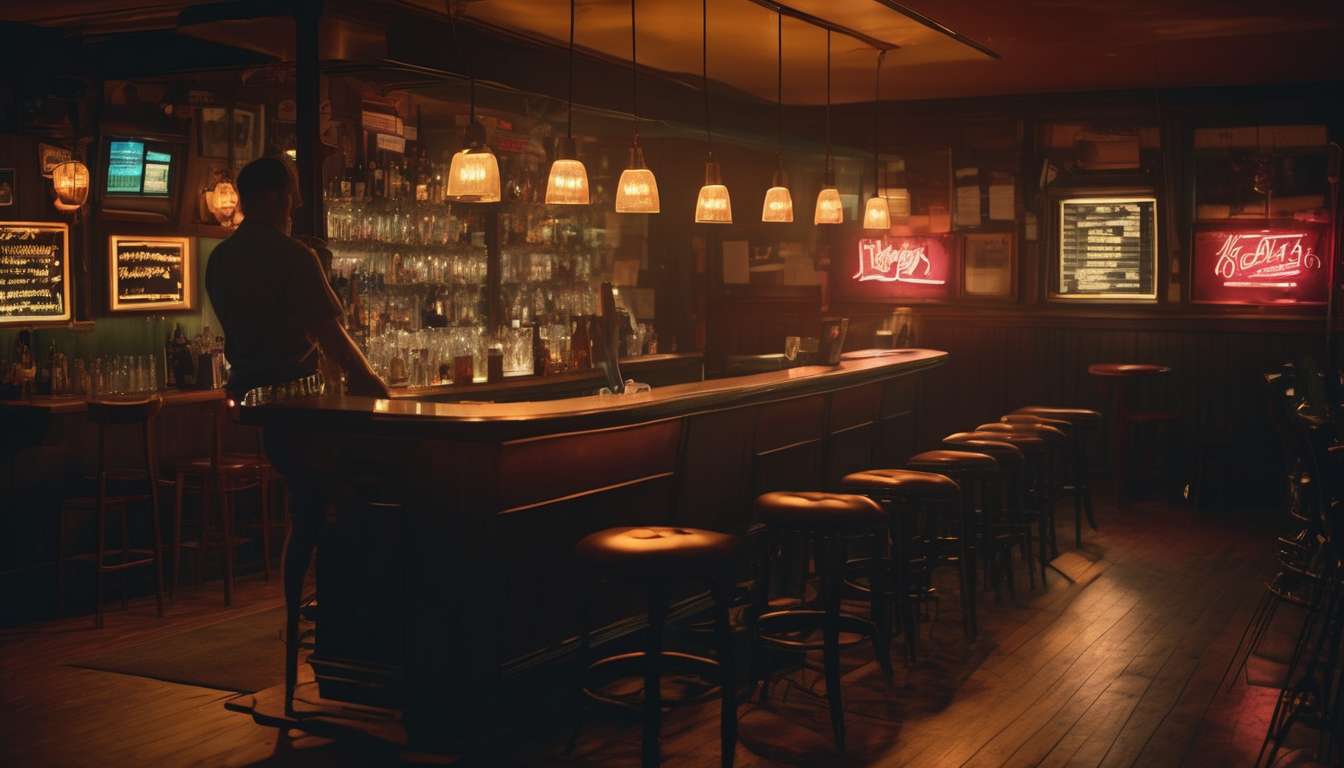
Under the dimmed neon of our favorite late-night spot, we watched the manager tally bills at midnight and felt the future tighten around us.
We had opened that venue with a simple plan: great music, reliable staff, and a community that kept the room alive.
Now, rent hikes, rising utility costs, and stricter licensing fees turned routines into spreadsheets and gut decisions into survival calculations.
That night became a turning point — conversations shifted from encore requests to menu pricing, shift lengths, and partnership pitches.
We began experimenting with operational changes to stay afloat:
- Smaller menus to reduce food waste and kitchen load.
- Shared staffing across venues to cut payroll overhead without losing service coverage.
- Daytime events to spread fixed costs over more hours and diversify revenue.
We learned that loyalty alone couldn’t balance a ledger, and that nimble strategy mattered as much as atmosphere.
This article traces how escalating overheads are forcing small nightlife businesses to rethink everything from hours to programming, and offers practical approaches we’ve tested to keep doors open without losing what makes our nights worth remembering.
Nightlife Cost Pressures
We’re seeing operating costs climb across the board, squeezing margins for small bars, clubs, and live venues.
Rising overhead — rent, utilities, and supply-chain costs — is creating pressure across the sector, and our peers are juggling the same challenges.
We lean on one another, sharing practical adjustments that keep doors open without sacrificing the atmosphere that made us a community.
Flexible staffing to match demand
- We prioritize staffing models that scale with foot traffic to avoid unnecessary payroll during slow shifts.
- We still reward staff when nights “pop,” using incentives, shift bonuses, or à la carte scheduling to keep morale and service high.
Diversified revenue streams to spread risk
- Ticketed events (shows, themed nights) to drive predictable event income.
- Merchandise and branded goods to capture additional per-customer spend.
- Private rentals and partnerships (private parties, brand tie-ins) to monetize off-hours.
Test, measure, and scale what works
- We start with small experiments, track results, and expand successful tactics.
- By sharing data and lessons among peers, we accelerate collective learning and reduce costly missteps.
By staying deliberate and collaborative, we protect our spaces, our staff, and the regulars who make them feel like home.
Reworking Operating Hours
We’re rethinking opening and closing times to match actual customer patterns and cut hours that consistently lose money.
We’ll analyze foot traffic, reservation data, and local event calendars so our hours reflect when regulars and newcomers actually show up. With rising overhead squeezing margins, every open hour must earn its keep.
We’ll pilot staggered shifts and cross-trained roles so flexible staffing becomes the norm.
- This lets us scale labor up or down without burning out team members.
- We’ll share schedules in advance, invite staff input, and rotate desirable shifts so everyone feels seen and valued.
We’ll coordinate limited late-night events and earlier happy hours tied to diversified revenue goals.
- Small ticketed nights
- Private bookings
- Merchandise drops
These initiatives mean shorter open windows can yield higher per-hour returns.
We’re committed to making these changes together.
- Our community, staff, and regulars will shape the new hours.
- The goal is to keep the place lively, sustainable, and welcoming.
Menu Simplification Strategies
We’ll streamline the menu to focus on high‑margin, fast‑to‑prepare items that keep quality consistent and speed service during peak hours.
By trimming low‑turnover dishes and spotlighting crowd favorites, we reduce waste, shorten prep times, and protect margins against rising overhead without sacrificing flavor or identity.
We want everyone on our team and in our crowd to feel like they belong to something thoughtful and resilient.
We’ll design a compact menu that’s flexible enough to rotate seasonal specials and collaborations with local producers, keeping regulars curious and newcomers welcomed.
Benefits of a compact, flexible menu:
- Shorter prep lists → faster ticket times
- Easier cross‑utilization of ingredients → less waste
- Seasonal rotations → ongoing customer interest
- Local collaborations → community goodwill and marketing opportunities
Clear menu sections and consistent plating make training easier, supporting flexible staffing while maintaining standards.
Pricing and merchandising approach:
- Price transparently to build trust.
- Bundle items to create perceived value and raise average checks.
- Promote add‑ons and upsells that are quick to prepare.
Simplification also frees kitchen bandwidth to support new revenue streams: pop‑ups, private events, and takeaway options that diversify income.
Together, we’ll keep the experience warm and distinctive while making the business leaner, more adaptable, and easier for our community to champion.
Flexible Staffing Models
We’ll build staffing models that match demand patterns, cross‑train team members for multiple roles, and use part‑time or shift‑share arrangements to keep labor costs responsive without undermining service.
We’ll lean into flexible staffing so everyone feels included in solving pressures from rising overhead, and we’ll create schedules that balance predictable hours with peak‑night coverage.
We’ll rotate responsibilities—bar, floor, host—so staff gain skills, earn variety, and step into shifts when needed without friction.
We’ll set clear expectations, fair pay, and pathways for growth so team members stay motivated even as budgets tighten.
We’ll use simple forecasting—weekly sales, event calendars, weather—to staff smarter, and we’ll keep communication open so swaps and availability are handled respectfully.
We’ll coordinate with partners and community performers to fill gaps and boost activity, supporting diversified revenue without shifting focus here.
By making staffing collaborative and adaptable, we’ll protect service quality, preserve jobs, and reinforce the sense of belonging that keeps our place alive.
Diversifying Revenue Streams
Goal: diversify revenue to reduce reliance on late‑night bar sales and stabilize income.
We’ll add multiple revenue streams—like daytime events, merchandise, bottle lockers, and private hires—to reduce reliance on late‑night bar sales and stabilize income. Diversification will protect jobs, support our team, and keep the venue vibrant.
Daytime programming to build regular traffic and belonging
- Run brunch sessions and workshops that welcome regulars by day.
- Offer activities that encourage repeat visits and community connection.
Merchandise and branded items for year‑round income
- Sell branded gear so guests can feel part of our space year‑round.
- Use merchandise as marketing: every item worn or used promotes the venue.
Memberships and bottle lockers to lock in loyal customers
- Offer bottle lockers and membership tiers that give loyal patrons a stake in our survival.
- Use tiers to provide predictable recurring revenue and deepen patron commitment.
Private hires and predictable bookings
- Promote private hires for small gatherings to generate reliable, scheduled income.
- Target community groups, celebrations, and corporate small events.
Smart staffing and performance tracking
- Staff flexibly so shifts match demand across new offerings without overpaying when traffic is low.
- Track which mixes of activities and products perform best, then scale the combinations that build belonging and steady cash flow.
Shared, deliberate implementation
- Treat revenue diversification as a shared project with staff and regulars.
- By doing so, we’ll protect jobs, keep our venue familiar and welcoming, and ensure steady income streams that sustain the space.
Partnerships and Venue Sharing
Partnerships and venue-sharing: We’ll pursue partnerships and venue-sharing arrangements to bring in new audiences, split costs, and fill slow nights with predictable, community-driven programming.
Co-hosted themed nights:
- We’ll invite local artists, community groups, and small brands to co-host themed nights, giving everyone a stake in attendance and promotion.
- By sharing space and aligning calendars, we reduce the impact of rising overhead while creating regular rituals people return to.
Clear agreements: We’ll craft clear agreements that outline revenue splits, liability, and setup needs so collaborations stay fair and sustainable.
Flexible staffing: Flexible staffing lets us scale labor to event size, tapping trusted freelancers or partners’ teams rather than overcommitting payroll.
Diversified revenue streams:
- These collaborations support diversified revenue: ticketed pop-ups, merch partnerships, and shared catering boost income without huge capital outlay.
Recognition and communication:
- We’ll celebrate contributors openly, crediting co-producers in marketing and keeping lines of communication direct.
Outcome: In doing so, we build a networked venue culture where patrons feel included, partners feel valued, and our small business can weather higher costs through cooperative, community-centered practice.
Technology to Cut Costs
Adopt cost-cutting technologies to lower recurring expenses and streamline operations.
We’ll adopt technologies such as energy-efficient lighting, automated scheduling and inventory software, and digital ticketing to reduce overhead and improve efficiency.
Invest in systems with quick payback and strong team connectivity.
We know rising overhead is squeezing margins, so we invest in systems that pay back quickly and keep our team connected.
Automated scheduling enables flexible staffing and reduces unnecessary payroll.
- Automated scheduling helps staff swap shifts, pick peak hours, and avoid unnecessary payroll when demand dips.
- This creates flexible staffing without operational friction.
Inventory software and digital payments reduce waste and speed operations.
- Inventory software reduces waste and frees up cash.
- Digital ticketing and contactless payments speed entry and lower staffing needs at the door.
Choose scalable, integrated platforms for shared visibility and smarter decisions.
We choose scalable platforms that integrate POS, reservations, and analytics so everyone on our team can see real-time data and make smarter decisions together.
Use visibility to diversify revenue based on demand signals.
That visibility supports diversified revenue channels:
- Pop-up events
- Merchandise drops
- Off-hour food sales
Share tools and training across the small-business community to spread costs and preserve the personal touch.
By sharing tools and training, we spread costs, strengthen belonging, and ensure technology lifts everyone rather than replaces the personal touch our patrons love.
Preserving Brand Experience
We’ll protect the club’s vibe by using tech and cost cuts that amplify—not replace—the human touches our regulars come for.
We’ll keep DJs, bartenders, and hosts visible and central, using simple tools to free their time for real conversations and curated performances.
As rising overhead pressures our margins, we’ll prioritize investments that deepen connection:
- micro-events
- loyalty perks
- intimate programming that make people feel seen
We’ll adopt flexible staffing so team members work shifts that match crowd rhythms, keeping familiar faces on duty when it matters most.
That approach reduces waste without turning service sterile.
We’ll pursue diversified revenue to stabilize cash flow while funding the personal moments that define us:
- ticketed experiences
- branded merchandise
- small private bookings
Together we’ll treat every interaction as part of the brand: warm greetings, remembered preferences, and thoughtful surprises.
By focusing spend where it fuels belonging, we’ll sustain the room’s soul even as costs rise, ensuring patrons keep returning to a place that feels like theirs.
How can small nightlife businesses secure short-term emergency funding or grants during sudden rent or utility hikes?
We ask how to secure short-term emergency funding or grants during sudden rent or utility hikes.
Contact local resources:
- Reach out to local small-business centers, community development organizations, and arts or nightlife grant programs.
- Ask about emergency relief funds, short-term microloan programs, or rapid-response grant cycles.
Apply quickly and clearly:
- Prepare concise applications that include a clear budget, timeline, and statement of urgency.
- Include supporting documents (lease, utility bills, bank statements) to speed review.
Rally community and partners:
- Launch crowdfunding campaigns and seek partnerships with local businesses or nonprofits.
- Use urgency letters and visuals to explain impact and timeline to potential donors.
Use professional networks:
- Ask colleagues and mentors for expedited recommendations, introductions to funders, or in-kind assistance.
- Prioritize contacts who can vouch for your organization’s credibility and mission.
Prioritize independence and mission alignment:
- Choose funding options that preserve organizational autonomy and the shared mission.
- Favor flexible relief funds, microgrants, or short-term loans with manageable terms over restrictive long-term deals.
What legal considerations should owners be aware of when changing operating hours or modifying employee schedules?
Check local labor laws on notice, overtime, and minimum shift lengths.
Confirm and respect any collective bargaining agreements or individual employment contracts.
Update employment agreements and written policies as needed.
Consult payroll about wage, overtime, and tip‑pooling rules.
Ensure schedule changes do not discriminate (protected classes, accommodation needs).
Provide prompt notice to affected employees and document all changes.
For complex or high‑risk situations, consult an employment attorney to ensure compliance and protect the team.
How do nightlife businesses evaluate whether to keep a signature menu item that is loss-making but drives customer loyalty?
We weigh hard data and community feeling when deciding on a loss-making signature item.
We track sales, contribution margin, and customer visit frequency linked to the item.
- We monitor unit sales and revenue trends.
- We calculate contribution margin to understand true cost impact.
- We analyze customer visit frequency and whether the item drives repeat traffic.
We survey patrons and staff about the item’s meaning.
- We collect qualitative feedback on emotional, cultural, or brand value.
- We gather staff observations about customer reactions and operational burden.
We model adjustments to reduce loss while preserving identity.
- Run promotional tweaks to test demand elasticity.
- Conduct price tests to find a tolerable price point.
- Trial portion or ingredient changes to lower cost without breaking the item’s essence.
We compare loyalty and foot-traffic gains against costs.
- If increased loyalty and visits outweigh the financial hit, we keep the item.
- If they don’t, we pivot — but do so transparently with our community, explaining the reasons and offering alternatives.
Conclusion
You’re tightening margins and rethinking every hour and item on the menu.
You’ll pare offerings, stagger staff shifts, and lean on tech to trim costs without killing the vibe.
You may share space with partners or add daytime revenue to stabilize cash flow.
Through flexible scheduling, simplified menus, and selective automation, you’ll protect the guest experience while keeping doors open — balancing creativity and pragmatism to make your small nightlife business resilient.