
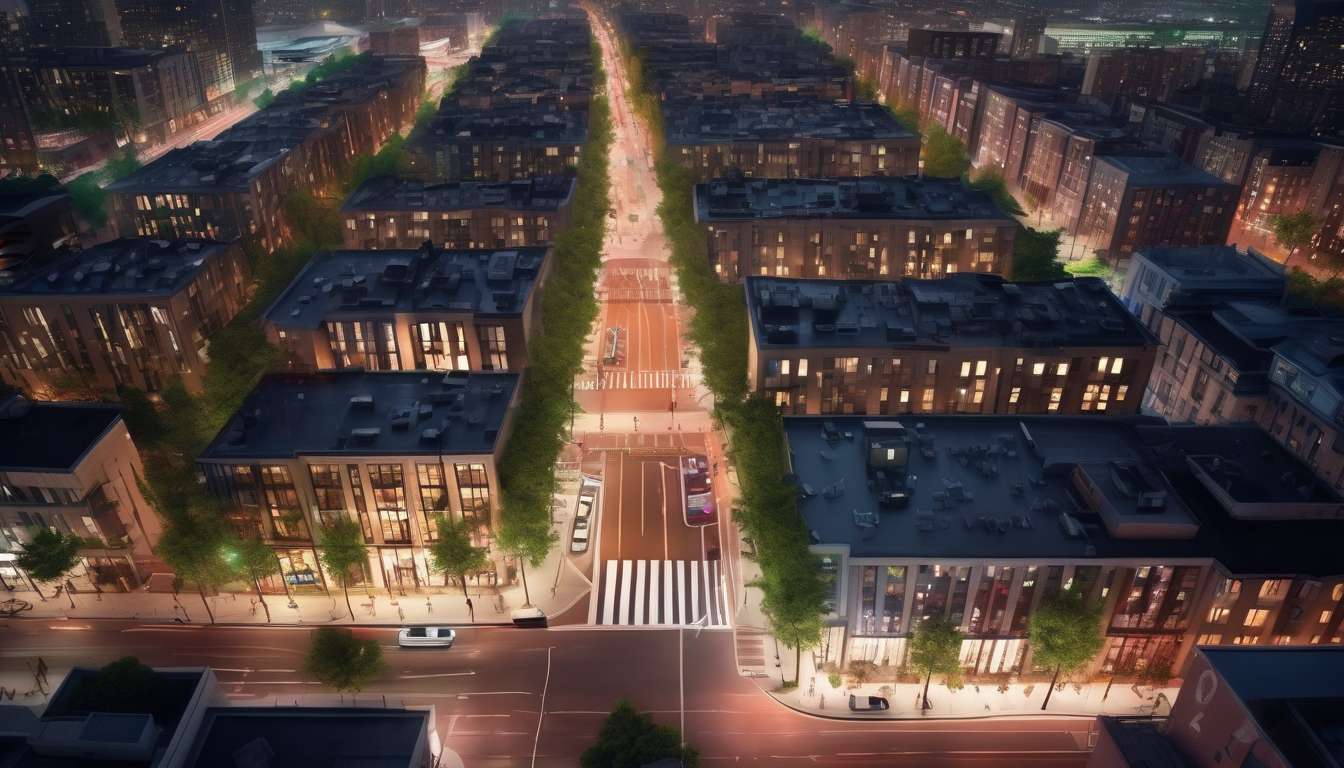
I remember the night we walked down Fifth Street and watched the lights change the faces of the neighborhood.
We had come for music and late dinners, but we left noticing bus routes, widened sidewalks, and a new plaza where a parking lot used to be. That small detour framed a larger truth: urban planning quietly choreographs how we socialize after dark.
As residents, business owners, and regulars in these districts, we negotiate the balance between safety, vibrancy, and affordability every time we choose a bar, a gallery opening, or a late-night taco stand.
Planning decisions—zoning shifts, noise ordinances, transit investments—shape whether a district becomes a thriving cultural hub or a hollowed commercial strip.
In this article, we will:
- Trace how long-term planning choices influence nightlife ecosystems.
- Explore the trade-offs that cities face.
- Consider how intentional design can sustain diverse, inclusive, and economically resilient nighttime economies for years to come.
Nightlife and Planning Basics
We’ll examine how core planning principles—land use, transportation, and public safety—shape vibrant, sustainable nightlife districts.
Land use & mixed-use zoning
- Mixed-use zoning lets residents, venues, and shops co-exist so streets feel occupied and safe at all hours.
- Human-scale design prioritizes clear sightlines and welcoming edges that invite lingering rather than transient crowds.
- Placemaking elements such as lighting, seating, and public art create attractive, comfortable public space.
Nighttime transportation
- Reliable late transit (buses, trains) and micro-mobility connections reduce isolation and keep neighborhoods inclusive.
- Shared mobility options help ensure access for workers and patrons, improving equity and reducing private-vehicle dependence.
Programming & activation
- Programmed events and seating/lighting strategies create shared memories and encourage mutual ownership of public space.
- Balanced activity density supports vibrancy while allowing for management of impacts.
Public safety & noise management
- Targeted enforcement aims to maintain safety without alienating communities.
- Noise management strategies (e.g., curfews, soundproofing incentives) are paired with activity planning to balance liveliness and livability.
Collaborative planning & iteration
- Engage stakeholders: listen to businesses, residents, and night workers to surface needs and trade-offs.
- Iterate policies based on outcomes to strengthen social ties and adapt to change.
Designing with belonging in mind builds nightlife districts that are lively, accessible, and resilient.
Zoning’s Lasting Effects
Zoning decisions we make today lock in patterns of land use, mobility, and economic opportunity for decades. They shape who feels welcome in nightlife districts and where activity concentrates.
Mixed-use zoning allows homes, shops, and venues to sit side-by-side. This arrangement helps people arrive, linger, and return without feeling excluded.
- Prioritizing a diversity of uses creates everyday presence that supports safer, more inclusive nightlife.
Regulations about building scale, permitted uses, and operating hours affect small operators and community culture. Thoughtful rules can protect and enable local businesses and cultural venues.
Thoughtful placemaking nurtures belonging and informal social safety.
- Activated sidewalks and shared public spaces encourage use and stewardship of public life.
Preventing displacement requires flexible and affordable spaces within zoning frameworks.
- Allowing adaptable uses and affordable rents helps artists and small entrepreneurs thrive.
Zoning and nighttime transportation are interconnected. While transportation specifics are addressed elsewhere, together these policies determine whether people can participate in evening life.
Zoning choices are tools: used well, they create nightlife districts where everyone feels seen and welcome.
Transit and Evening Access
Reliable evening transit and safe, affordable last-mile options determine who can access nightlife districts and how long they can stay.
We need transit that runs reliably after dark and connects to neighborhoods so everyone feels welcome.
By pairing mixed-use zoning with extended nighttime transit schedules, we create districts where residents, workers, and visitors mingle naturally rather than being segregated by time.
We prioritize frequent, well-lit stops, clear wayfinding, and subsidized rideshares or bike-share hubs to bridge the final stretch home.
When we plan with placemaking in mind, transit stops become part of the neighborhood fabric.
- Small plazas, seating, and active storefronts make waits feel social and safe.
- Coordinating service hours with venue schedules and community needs helps support workers and late-night patrons alike.
If we design routes that reflect diverse origin–destination patterns and fund consistent late service, we expand who belongs in nightlife spaces and how long they can enjoy them.
This strengthens the district’s economic and social resilience.
Public Safety Design
Design streets, lighting, and public spaces to reduce risk while avoiding fortress-like environments.
Create clear sightlines, consistent wayfinding, and warm, even lighting that invites people to stay and connect and that also aids first responders.
Promote mixed-use zoning to keep activity dispersed across day and night, deterring isolation and encouraging informal stewardship by residents and businesses.
Coordinate with nighttime transit providers so stops are:
- well-lit,
- visible from nearby uses,
- integrated into walking routes that feel safe and sociable.
Use placemaking that favors human-scale elements:
- furniture scaled to people,
- maintained landscaping,
- flexible public squares that host community programming,
- passive surveillance through everyday activity without intrusive monitoring.
Set standards for rapid incident reporting and train staff and volunteers in:
- de-escalation, and
- first aid.
Foster neighborhoods where everyone feels they belong and can navigate evening life with confidence, dignity, and mutual care.
Noise and Time Regulations
We’ll set clear, context-sensitive noise limits and time-based rules that balance residents’ need for sleep with businesses’ need to operate and for streets to remain lively.
We’ll craft standards that recognize different blocks:
- Areas with mixed-use zoning near homes will have stricter curfews and measured decibel targets.
- Core entertainment streets can allow later activity with mitigation measures.
We’ll coordinate enforcement to feel fair, not punitive, by working with venues, neighbors, and transit agencies to align expectations and responses.
We’ll prioritize placemaking and design interventions—sound buffers, outdoor layout controls, and timed programming—to reduce conflicts between uses.
We’ll link permitted hours to reliable nighttime transit schedules so people can leave safely without creating late-night disturbance.
We’ll encourage shared responsibilities among stakeholders:
- Businesses adopt quieter operations when required.
- Residents receive predictable quiet windows.
- City services provide responsive complaint handling.
Together we’ll build norms and transparent processes so everyone belongs to a nightlife ecosystem that’s vibrant, respectful, and sustainably managed.
Affordable Spaces for Creators
Goal: Secure affordable, flexible spaces for creators (artists, musicians, small startups) so they can rehearse, perform, produce, and collaborate without being pushed out by rising rents.
Prioritize mixed-use zoning that integrates affordable workspaces with housing and street-level venues.
- Intentionally combine residential, workspace, and street-level cultural venues so creativity is part of daily life rather than an afterthought.
Design modular facilities that adapt to multiple uses to keep overhead low and access equitable.
- Rehearsal rooms that convert to popup show venues.
- Maker studios with flexible layouts for different crafts.
- Co-working zones that can host small performances or community events.
Coordinate with nighttime transit planners to ensure late trains and buses connect creators, audiences, and suppliers.
- Plan schedules and routes to make evening activity safe and viable.
- Improve lighting, signage, and stops near cultural hubs.
Center placemaking practices that invite community stewardship and foster belonging.
- Shared gardens and communal gathering spots.
- Visible, inclusive signage and programming that encourage neighborhood participation.
Cultivate simple, transparent leasing models and incubator partnerships with arts organizations.
- Low-barrier leases and clear terms for emerging practitioners.
- Incubator programs that offer mentorship, shared equipment, and administrative support.
Embed affordable spaces into zoning, transit, and design decisions to preserve diverse cultural life and intergenerational networks.
- Ensure contributors to nightlife feel they belong and can thrive.
Economic Resilience Strategies
Economic resilience through diverse support
We’ll build economic resilience by supporting diverse revenue streams, emergency funds, and business-support programs that help nightlife venues and creators survive downturns and adapt to changing demand.
Mixed-use zoning to stabilize costs and traffic
We’ll promote mixed-use zoning so cultural businesses can share space with housing and daytime commerce, stabilizing rent and creating steady foot traffic.
Targeted financial and technical assistance
We’ll advocate for:
- Targeted grants to provide direct, flexible funding.
- Pooled insurance to reduce individual risk and recovery costs.
- Small-business technical assistance to improve operations and enable creative experimentation.
Nighttime mobility and safety
We’ll coordinate with transit planners to:
- Extend nighttime transit service.
- Improve last-mile connections so patrons and staff can travel safely and affordably.
These measures broaden customer bases and labor pools.
Placemaking to reinforce identity and return visits
We’ll invest in placemaking—lighting, wayfinding, and programmed public spaces—so people feel welcome and return more often.
Measurement and shared responsibility
We’ll measure outcomes with accessible metrics tied to:
- Employment,
- Venue longevity,
- Equitable access.
Together, we’ll share resources, lessons, and responsibility, so our nightlife ecosystem remains vibrant, inclusive, and resilient for everyone who calls it home.
Community-Led Design
We’ll center design decisions on the people who live, work, and create in nightlife districts, using ongoing, community-led processes to shape streets, venues, and public spaces.
We’ll invite artists, small business owners, residents, and transit users into design workshops so we can align mixed-use zoning with real needs:
- Housing
- Rehearsal spaces
- Daytime commerce
- Safe nighttime activity
We’ll co-design placemaking interventions that feel familiar and welcoming, from lighting and seating to curated programming that reflects local cultures.
We’ll advocate for nighttime transit schedules and stops informed by riders’ routines, so people can move between home, work, and late-night venues without anxiety.
We’ll set measurable goals, clear timelines, and shared stewardship models so everyone knows how to participate and how decisions get made.
We’ll prioritize low-cost, incremental improvements that build trust and let the community test ideas.
By embedding accountability and accessible communication, we’ll create nightlife places where people feel seen, heard, and safe—places we all own and sustain together.
How do climate change projections (e.g., increased heat, flooding) affect the long-term viability and design of nightlife districts?
How climate projections affect nightlife districts
More heat and flooding will change how nightlife functions and feels. Heat can reduce outdoor activity, raise health risks for patrons and staff, and increase cooling costs for venues. Flooding can damage infrastructure, interrupt transport, and make streets unsafe or inaccessible.
Redesign public spaces for cooling, shade, and flood resilience.
- Add large shade structures, canopies, and tree cover to reduce urban heat.
- Create misting zones and water features that provide evaporative cooling.
- Use permeable paving, rain gardens, and bioswales to manage stormwater and reduce runoff.
Use water-safe and durable materials; raise or protect critical infrastructure.
- Choose flood-resistant flooring, wall finishes, and street furniture that tolerate wetting and drying.
- Raise electrical systems, HVAC units, and storage above expected flood levels.
- Design drainage and quick-dry surfaces for rapid recovery after inundation.
Design flexible outdoor venues and streets that can adapt to changing conditions.
- Use modular seating, retractable awnings, and pop-up structures that can be reconfigured for shade or cleared for flood flow.
- Keep outdoor stages and vendor areas mobile so events can shift locations in response to forecasts.
Prioritize transit access and safety.
- Improve resilient transit options (flood-tolerant routes, well-lit, shaded stops) so patrons can arrive and leave safely during extreme events.
- Ensure clear evacuation routes and emergency lighting for nighttime events.
Create green corridors and cooling networks.
- Link parks, shaded streets, and water features to form continuous cooling routes through nightlife districts.
- Use street trees and green roofs to lower ambient temperatures and improve air quality.
Support businesses with emergency planning and financial assistance.
- Provide templates and training for emergency response, recovery, and continuity plans tailored to nightlife operations.
- Offer grants, low-interest loans, or insurance support to help venues invest in resilience measures.
Collaborate with communities to keep nightlife vibrant, inclusive, and resilient.
- Co-design interventions with residents, businesses, and workers to reflect local needs and cultural uses.
- Prioritize equity so small, independent, and marginalized operators receive support.
Outcome: nightlife that remains lively and safe despite climate shifts. With cooling strategies, flood-ready design, transit improvements, business support, and community collaboration, nightlife districts can adapt to more heat and flooding while staying inclusive and resilient.
What legal protections exist for aging cultural venues (historic clubs/theaters) to prevent demolition for redevelopment?
Question: What legal protections preserve aging cultural venues from demolition for redevelopment?
Answer: There are several legal tools and strategies to block or limit demolition and preserve aging cultural venues.
Historic designation and registers
- Historic landmark designation (local, state, or national) can impose review procedures and restrictions on demolition or major alterations.
- Heritage registers list significant buildings and can trigger protective review and access to funding or incentives.
Local preservation laws
- Local preservation ordinances often require approval from a preservation commission or landmarks board before demolition or significant changes.
- Conservation or historic districts create area-wide protections that limit incompatible redevelopment.
Incentives for reuse
- Adaptive-reuse incentives and zoning variances encourage converting venues to new uses without demolition.
- Historic tax credits (federal and state) make rehabilitation financially attractive compared with teardown.
Legal interests and easements
- Preservation easements grant a preservation organization the right to enforce restrictions on demolition or alteration in perpetuity.
- Conditional covenants or deed restrictions can lock in preservation conditions for future owners.
Regulatory and litigation strategies
- Environmental and procedural laws (for example, environmental review statutes, cultural resource protection laws, or procedural zoning requirements) can provide grounds to challenge demolition approvals.
- Litigation may seek injunctions, enforcement of review processes, or remedies for administrative failures.
Negotiation and community tools
- Community benefit agreements and negotiated development conditions can require retention or incorporation of venues into new projects.
- Advocacy and coalition-building with preservation groups, neighborhood associations, and cultural stakeholders can create political pressure and alternative proposals.
Practical approach
- Pursue landmark designation or district listing to trigger review and protections.
- Seek financial incentives (tax credits, grants) to make rehabilitation viable.
- Secure legal instruments (easements, covenants) to bind future owners.
- Use regulatory challenges and litigation when procedural or environmental laws are violated.
- Negotiate community benefits and adaptive-reuse solutions with developers while mobilizing public support.
Outcome: Combining statutory protections, financial incentives, legal instruments, and community advocacy gives the best chance to preserve beloved clubs, theaters, and cultural venues for future generations.
How can technology—like real-time crowd-monitoring, digital permitting, or augmented reality—be integrated into planning to enhance safety and experience without eroding the district’s character?
We’ll weave tech into planning by using discreet, community-led tools.
- Real-time crowd data for safer flows.
- Digital permits that speed approvals while preserving venue rules.
- AR overlays that tell local stories without altering facades.
We’ll co-design systems with artists, staff, and residents so features reflect local character.
We’ll prioritize privacy, minimal signage, and reversible installs so enhancements feel like ours, not imposed — keeping nightlife vibrant and authentic.
Conclusion
Zoning determines where venues can survive.
Transit links bring the crowd.
Safety-minded design keeps people coming back.
Balancing noise controls, flexible hours, and affordable spaces helps creators thrive while protecting residents.
Build economic resilience and center community-led design to shape vibrant, equitable nightlife districts that endure.
Plan with foresight, collaboration, and adaptability.