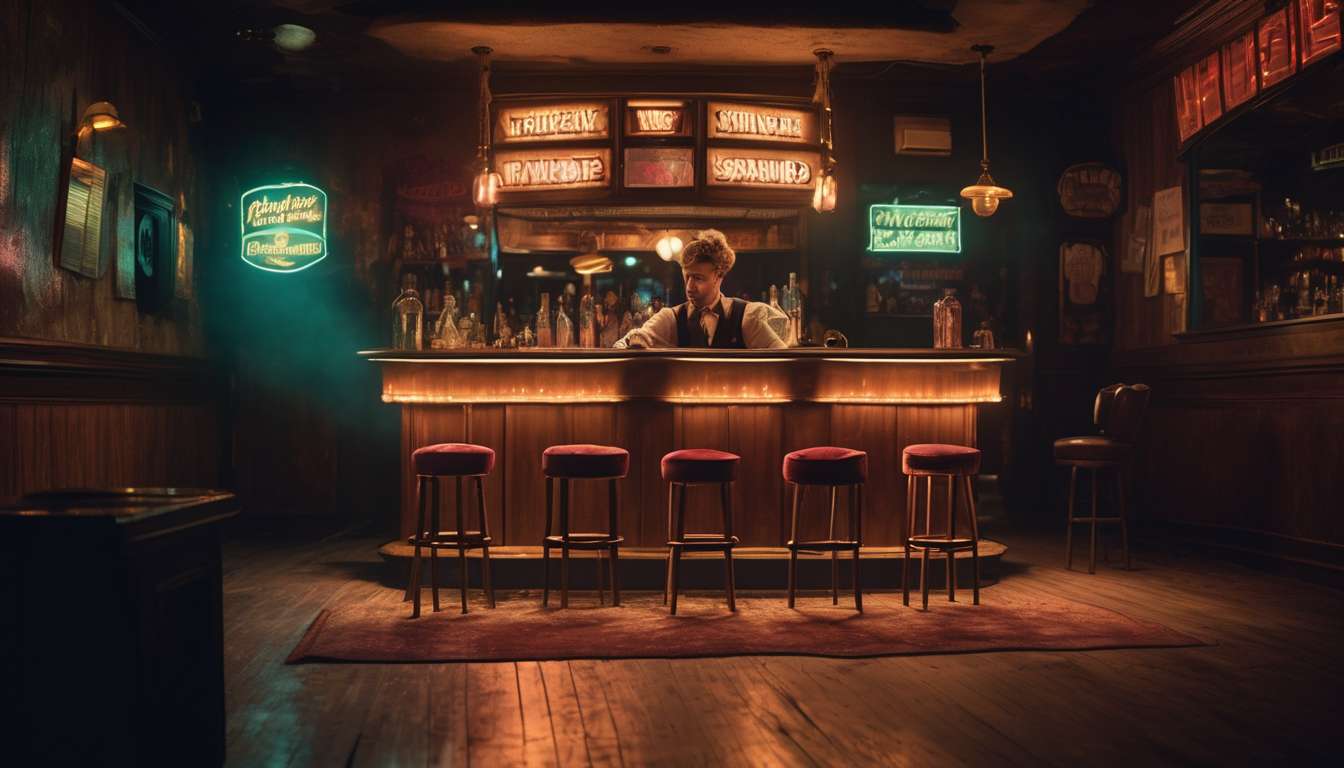
Growing costs have pushed many independent exotic dance venues to the brink — can we afford to lose them?
Rising expenses are squeezing margins. As operators, performers, patrons and community members, we face higher rents, utility bills and supply prices. Those pressures lead to staff hours being cut, creative programming curtailed and maintenance deferred, while customers tighten discretionary spending.
These venues are more than entertainment. They are workplaces, artistic spaces and local businesses that circulate money in neighborhoods often ignored by larger investors. Losing them would affect performer livelihoods, local economic diversity and nightlife cultures.
Key questions:
- What happens to nightlife cultures if inflation continues unchecked?
- How will performer livelihoods be affected?
- What happens to small-business diversity in neighborhoods?
This article will:
- Examine how escalating costs are reshaping venue operations.
- Explore coping strategies that venues and workers deploy.
- Consider policy and community responses that might preserve these spaces.
Our aim is to illuminate the stakes and spark practical conversation about sustaining independent venues amid economic pressure, so operators, performers and communities can weigh options and act before more spaces disappear.
Rising Operating Costs
We’re seeing rent, utilities, and supply prices climb sharply, squeezing margins for small independent exotic dance venues.
Inflationary pressures tighten payroll, maintenance, and daily supplies, forcing tough choices to keep doors open.
Performer earnings remain a central concern; we won’t sacrifice fair pay while balancing rising overhead and realistic ticket pricing and cover limits.
We’re exploring revenue diversification to spread risk:
- Private events
- Merchandise
- Memberships
- Partnerships with local artists
We’re testing modest fee structures that respect both patrons and performers.
We communicate transparently with staff and regulars, inviting ideas and sharing financial goals so nobody’s working in the dark.
We’re pragmatic about cost-saving measures and deliberate in choosing changes that preserve atmosphere and safety:
- Energy audits
- Vendor renegotiation
- Operational efficiencies that don’t compromise safety or experience
We’re committed to sustaining spaces where everyone feels welcome and valued.
Performer Income Impacts
Both tips and stage pay have felt the squeeze, and we need to assess how rising costs are changing performers’ take-home income and work decisions.
We see inflationary pressures eroding the value of every dollar performers earn, forcing many of us to recalculate budgets and schedules.
Performer earnings that once supported rent and basic expenses now stretch thinner, prompting conversations about shift lengths, set pricing, and safer ways to supplement income.
We don’t want anyone left isolated by economic stress, so we explore practical fixes together:
- Clearer payout structures
- Pooled benefits
- Respectful promotion of private dances
We also consider revenue diversification so performers can rely on multiple income streams without sacrificing autonomy or safety:
- Merchandise
- Virtual shows
- Workshops
- Community events
By sharing strategies and advocating for fair venue policies, we protect both livelihoods and community.
We’ll keep tracking changes to performer earnings and adjust collective responses to preserve dignity and belonging for everyone who works and thrives in our spaces.
Declining Attendance Trends
Problem: declining attendance and income.
Lately we’re seeing fewer patrons come through the door on most nights, and that drop in attendance is cutting into both cover and tip income.
Impact on regulars and community.
We’re noticing regulars coming less often as inflationary pressures squeeze household budgets; people are choosing cheaper nights out or staying home, and that shift hits our sense of community and the bottom line.
Effect on performers.
We want everyone who belongs here to feel welcome, but fewer bodies in the room means quieter energy and reduced opportunities for performers to earn reliably.
Operational and financial concerns.
We’re worried because performer earnings are tied directly to consistent crowds, and unpredictable turnout makes planning wages and schedules harder.
Planned responses to rebuild revenue and engagement.
- Revenue diversification: exploring themed events, memberships, and online content to rebuild steady engagement without compromising our culture.
- Transparent communication: keeping performers and patrons informed about changes and challenges.
- Thoughtful adaptation: adjusting offerings and operations so the space remains a place where people feel connected and supported despite the tougher economic climate.
Goal.
Maintain community, protect performer earnings, and stabilize the venue’s finances while respecting the culture and values of the space.
Cost-Cutting Measures
Cost-cutting will target nonessential expenses while preserving core services and performer pay.
- Review utility plans, renegotiate supplier contracts, and phase out rarely used subscriptions.
- Direct savings to sustaining performer earnings and frontline staffing.
Centralize purchasing to lower unit costs and reduce waste without changing the community experience.
- Use trusted partners for bulk or consolidated purchasing.
- Maintain product and service quality to preserve the guest experience.
Cross-train staff so small teams remain versatile without sacrificing safety or hospitality.
- Train employees to cover multiple roles during slow shifts.
- Keep schedules efficient while maintaining appropriate staffing for safety and service.
Adopt energy-saving measures that respect venue ambiance.
- Install energy-saving lighting and smart thermostats to reduce bills over time.
- Balance savings with the aesthetic and comfort expected by patrons.
Standardize inventory and tighten cash-handling procedures to prevent leakage and ensure transparency.
- Implement consistent inventory processes and regular audits.
- Enforce clear cash-handling protocols and accountability.
Evaluate pricing tiers and house policies with performer compensation in mind, and plan revenue diversification later.
- Adjust pricing and policies to protect tips and compensation.
- Explore additional revenue streams in subsequent strategy phases.
Involve performers and staff in decision-making to ensure fairness and alignment with venue values.
- Solicit input and communicate changes clearly and early.
- Make adjustments practical and consistent with a welcoming, sustainable venue.
Creative Revenue Streams
Diversify income while prioritizing performer pay.
Curated workshops, private bookings, and themed nights can share ticket revenue fairly and respect the venue’s vibe.
- Offer artist-led workshops (performance technique, makeup, stagecraft) with revenue splits that favor instructors.
- Book private events (corporate mixers, celebrations) that use the space during off-hours and pay performers a flat fee plus a share of any tips.
- Run themed nights (vintage, experimental, tribute) with clear, preannounced split structures so performers know expectations and earnings.
Introduce small membership tiers to build steady support.
- Perks could include priority seating, discounted drink bundles, early access to tickets, or exclusive behind-the-scenes content.
- Keep tiers affordable and limited in number to preserve the venue’s identity and avoid over-commercialization.
- Use membership revenue to fund a performer-focused relief or development fund (e.g., subsidized rehearsal time, emergency support).
Create merchandise and consignment offerings that benefit performers.
- Sell branded merchandise co-designed with performers so proceeds are shared transparently.
- Partner with local artisans on consignment items (prints, jewelry, costumes) that match the venue’s aesthetic and return a fair percentage to creators.
- Rotate merchandise regularly to spotlight different performers and maintain a fresh shop.
Leverage digital revenue streams to extend reach without overcrowding the space.
- Implement digital tipping options (QR codes, in-stream tip buttons) that go directly to performers.
- Livestream shows or offer pay-per-view specialty sets for remote fans; pay performers a generous percentage of digital revenues.
- Record and sell curated sets, back-stage clips, or instructional content with performer consent and revenue-sharing agreements.
Form thoughtful partnerships to expand audience and services.
- Collaborate with photographers, costume designers, makeup artists, and wellness providers for bundled offerings (e.g., photo packages, pre-show styling, mindfulness sessions).
- Cross-promote with complementary businesses to reach adjacent audiences while offering discounted or value-add experiences.
- Ensure partnerships align with the venue’s values and performer consent is central to any collaboration.
Pilot transparently and iterate with performer feedback.
- Run small pilots for each new stream and publish the split structures and performance metrics.
- Hold regular feedback sessions with performers to adjust terms and operations.
- Use tracked outcomes to decide which pilots scale, always prioritizing fairness and community sustainability.
Key principles to preserve identity and fairness.
- Prioritize transparent revenue splits and timely payments to performers.
- Keep offerings curated and limited so the venue’s atmosphere remains intact.
- Reinvest a portion of new revenues into performer support, venue maintenance, and accessible programming.
If you want, I can draft example revenue-split templates, a pilot timeline, or mock membership tier descriptions tailored to your venue’s scale and typical audience. Which would be most useful next?
Community Economic Role
We play a crucial role in the local economy.
We attract visitors, support adjacent small businesses, and create paid work for artists and service providers.
Our venues build community hubs.
That foot traffic helps nearby restaurants, taxis, and retailers stay open.
During inflationary pressure, these connections matter even more.
Keeping our doors open maintains a network of livelihoods beyond our stage.
We rely on steady performer earnings to sustain talent and freelance staff.
Those staff often depend on tips and shifts for income.
When costs climb, we adapt through revenue diversification.
- We offer classes.
- We host private events.
- We form partnerships that spread income without diluting our identity.
Together we protect jobs and preserve creative careers.
We circulate money locally instead of losing it to larger chains.
We prioritize transparent pay and opportunities for stability.
- We aim for practices that make everyone who contributes feel valued and secure.
- We strengthen ties across the neighborhood to help weather economic uncertainty.
Policy and Advocacy Paths
Policy and advocacy strategy to protect small independent exotic dance venues and their workers.
We will organize coalitions of owners, performers, and community allies to press for relief that acknowledges inflationary pressures and protects performer earnings.
We will push for targeted financial relief, including:
- Tax credits to reduce operating burdens on small venues.
- Utility relief to lower recurring costs.
- Emergency grants to cover short-term shocks without saddling workers.
We will advocate for clearer regulatory frameworks that reduce burdens and unpredictability:
- Clear licensing and zoning rules that limit burdensome fees.
- Predictable enforcement to prevent arbitrary closures or fines.
We will build relationships with officials and labor advocates to secure fair labor protections and access to benefits, ensuring performers can negotiate stable pay and safe working conditions.
We will document and present economic data showing how modest, targeted supports preserve neighborhood businesses and cultural spaces.
We will promote policies that encourage revenue diversification, for example:
- Permitting community-oriented events.
- Low-cost permits for ancillary services.These measures help venues adapt financially without sacrificing dignity or safety.
We will stay united, share resources, and hold decision-makers accountable so venues and the people who depend on them remain resilient and respected.
Future Viability Strategies
Goal: long-term viability through cost reduction, diversified income, and stronger community support.
Cost control without undermining dignity
- Group purchasing for supplies to lower unit costs.
- Shared administrative tools with nearby venues to cut software and staffing expenses.
- Energy-efficiency upgrades (lighting, insulation, HVAC tuning) to reduce utility bills.
- Protect fair pay: do not cut performer earnings as a cost-saving measure.
Protect performer compensation and benefits
- Tip-processing transparency so performers understand how tips are handled and distributed.
- Pooled benefits (e.g., modest health stipends) funded by small, clearly disclosed venue-side fees.
- Maintain open communication about any fee changes affecting performers.
Low-risk revenue diversification that respects performers and patrons
- Daytime workshops (skill-building, community classes).
- Private events (rentals for small gatherings, rehearsals).
- Merchandise (creator-focused items sold on-site and online).
- Streaming shows with performer consent and clear revenue splits.
- Local business partnerships for cross-promotion and bundled offerings.
Memberships and predictable income
- Membership programs offering curated perks (priority booking, discounts, members-only events).
- Design for belonging, not just transactions, to strengthen community ties and recurring revenue.
Capacity building and shared governance
- Train staff and performers in basic business skills (bookkeeping, marketing, contract basics).
- Co-design policies with performers and staff so everyone has a voice and a stake.
Summary
By combining cost discipline, fair compensation, and diverse, low-risk income streams, the venue can withstand inflationary pressures while keeping spaces welcoming, safe, and sustainable.
How have patrons’ tipping habits shifted during inflation and what specific strategies do dancers use to encourage tipping without making customers uncomfortable?
Patrons’ tipping habits have shifted toward smaller, more frequent tips as budgets tighten, and some are skipping tips altogether.
We’re adapting by creating low‑pressure ways to tip:
- Clear, friendly signage about pay expectations.
- Tiered offerings (e.g., song lengths, photo ops).
- Verbal, warm prompts that invite rather than pressure.
We’re also cultivating community ties and gratitude rituals so tipping feels like mutual support, not discomfort.
What mental health and burnout support exists for performers and staff at small independent exotic dance venues facing financial stress?
We’re asking what mental health and burnout support exists for performers and staff at small independent exotic dance venues.
Peer support groups — Peers meet regularly to share experiences, normalize stress, and offer mutual emotional support. These can be informal (on-shift check-ins) or organized (scheduled meetings).
Informal staff check-ins — Quick, routine conversations among staff and performers to spot early signs of burnout and provide immediate support.
Access to online counseling through community clinics — Remote therapy options provided by local community health centers, often with low wait times and sliding fees.
Sliding-scale therapists — Licensed clinicians who adjust fees based on income, making ongoing therapy more affordable for those with limited resources.
Crisis hotlines — 24/7 phone or text lines for immediate emotional support and referral to local services in emergencies.
Mentorship and skill-sharing networks — Experienced performers and staff mentor newer members, offering practical advice, coping strategies, and career guidance.
Promoting regular breaks and boundaries — Policies and cultural norms that encourage time off, reasonable scheduling, and clear boundaries to reduce chronic stress.
Connections to local LGBTQ+ and sex-worker advocacy organizations — Referrals to groups that provide counseling, legal aid, emergency funds, and other supportive resources so people don’t have to navigate crises alone.
How do owner-operators of these venues handle licensing, zoning, and compliance costs differently in municipalities with stricter regulations versus more permissive ones?
Strict municipalities — pooled resources and legal focus
In strict municipalities owner-operators pool resources to spread licensing and compliance costs, often creating cooperative funds or joint ventures to cover consultant fees, permit bonds, and legal expenses.
They hire specialized consultants and attorneys to navigate complex zoning, licensing, and environmental requirements and to craft permit applications that meet strict standards.
They prioritize legal defenses and community outreach: investing in permit appeals, public hearings, and localized engagement campaigns to build public support and counter opposition.
They also share knowledge and contacts with peers—trading vendor recommendations, precedent documents, and successful application strategies to reduce duplication of effort and avoid costly mistakes.
Permissive municipalities — streamlined operations and reinvestment
In permissive municipalities owner-operators streamline operations to minimize administrative overhead, using standardized application templates, fewer external consultants, and faster permit cycles.
They reinvest savings from lower licensing and compliance costs into hiring and training staff, improving safety programs, and upgrading equipment to reduce long-term risk and downtime.
They adopt flexible business models (e.g., multi-site permits, modular setups, cross-trained employees) that take advantage of regulatory flexibility and can scale up or adapt quickly.
They continue to share knowledge and support one another—exchanging best practices, referrals, and lessons learned so all remain compliant and resilient even as regulations change.
Shared strategies across contexts
-
Mutual aid and networks. Owner-operators form networks to trade contacts, bulk-purchase services, and provide temporary manpower during inspections or compliance drives.
-
Continual learning. Regular workshops or info-shares keep members up to date on rule changes and effective compliance tactics.
-
Risk management focus. Whether strict or permissive, operators emphasize safety and documentation to reduce liability and maintain business continuity.
-
Scalable playbooks. Operators develop adaptable templates—permit applications, community outreach plans, safety protocols—that can be tweaked for either regulatory environment.
If you want, I can turn this into a checklist for owner-operators in either environment or draft sample outreach language and a budget template for pooled compliance funds.
Conclusion
You’re feeling the squeeze as rising costs eat into margins and performers’ pay, and attendance isn’t bouncing back fast enough.
You’re cutting expenses and trying new revenue streams, but that only stretches limits so far.
You can’t ignore the venues’ role in local economies or the need for sensible policy support.
If you push creativity, collaborate with your community, and press for targeted aid, you’ll give these small venues a fighting chance.